Episode Transcript
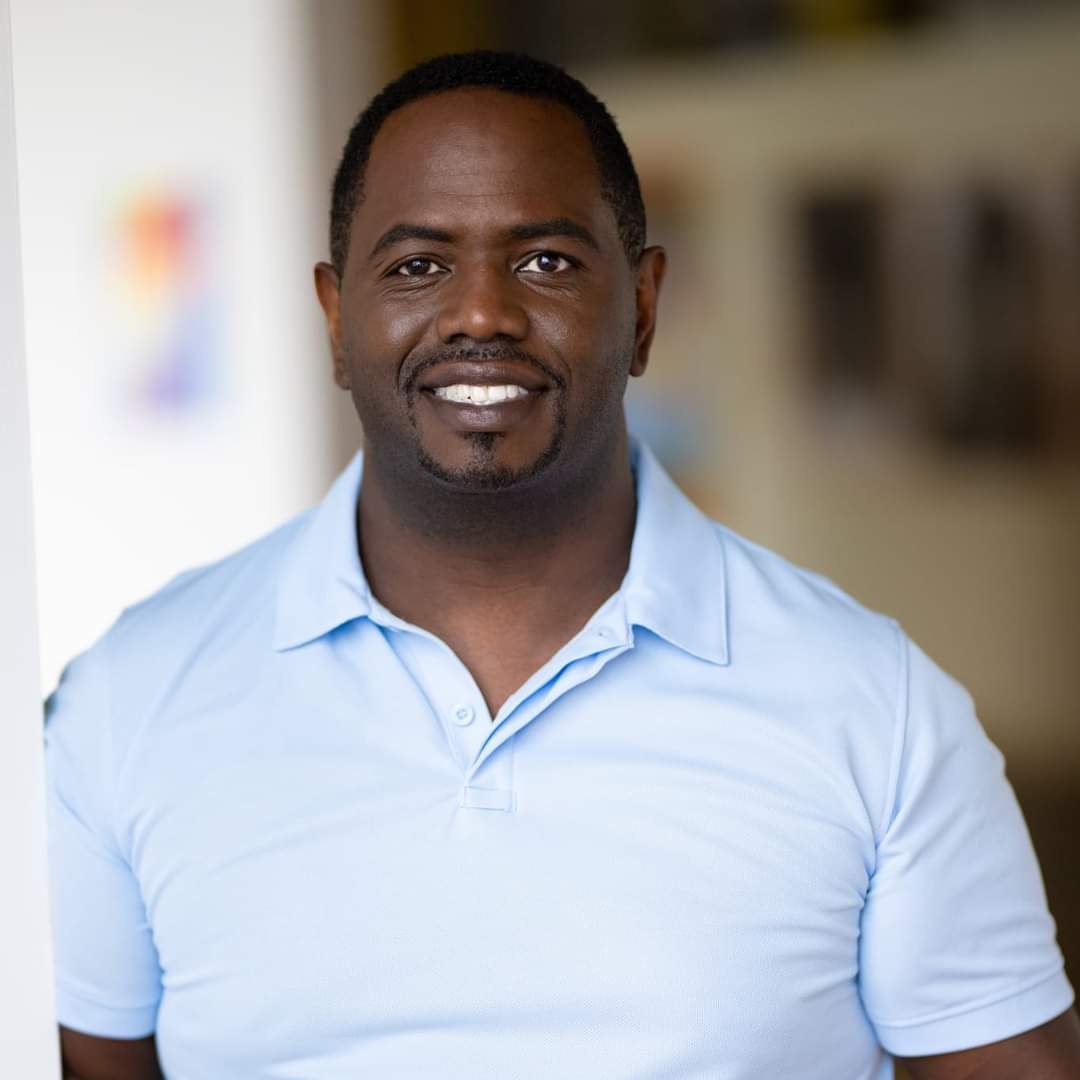
[00:00:00] Speaker A: The randomness of nothing. Guests and listeners, thank you very much for taking time out again to listen to our episodes of this show. And today, I have very special guests that I'm honored to speak with today and get a chance to interview and pick his brain. Brandon Leibowitz of SEO Optimizers. He involves digital marketing, optimizing your website, and bringing leads and business to your businesses. He's helped both small businesses, medium sized businesses, and Fortune 100 companies. Thank you, Brandon.
[00:00:23] Speaker B: Thank you for having me on today.
[00:00:24] Speaker A: You have, you have a wonderful background and, you know, you really started from the ground up and you bootstrapped your own company and now you're, you know, obviously having successful from it. So please, for the purpose of the show, please tell us about your background.
[00:00:34] Speaker B: Got involved with digital marketing back in 2007 after I graduated from college. I got my degree in business marketing, and one of the first jobs I was offered was doing search engine optimization, which I didn't really know much about it. They didn't really teach you that in school back in 2007? Yeah, I let the company know that and they said, don't worry, we're new to this as well and we're gonna learn with you and take you to different classes and workshops and seminars. And after doing that for a few months, I just realized everyone's probably gonna have a website in the future. And SEO is a way to get free traffic, and who wouldn't want free traffic? So that got me sticking with search engine optimization and working at different advertising agencies as a director of SEO. And yeah, before work and after working on my lunch breaks, I'd work on my own company and eventually was able to build that up to quit my job and been doing this ever since, just helping people tap into that free traffic from search engines or LLMs or wherever people are searching.
[00:01:35] Speaker A: What was it like being at the forefront of maybe I need a website, maybe I need a digital presence to. You absolutely have to have one, no questions asked. So, you know, what was that phase like? Even, I mean, 2007 is not that long ago in the greater scheme of like, you know, post 2000s, but 18 years lifetime in technology and web, you know, utilization, because Google, YouTube only came out in 2005. That's pretty amazing.
[00:02:00] Speaker B: Yep. No, it's changed a lot and it's evolved a lot since back then. Yeah, nobody understood why I need to have a website. Now everyone's like, I need to have a website. It's like, so back then it was like some people kind of saw the Future. We're trying to build that presence like the company I worked at. But most people were just happy to do traditional sales, brick and mortar. And now it's changed a lot. Where brick and mortar is unfortunately starting to fade away from online Amazons and those big players that just kind of dominate and run the show, without question.
[00:02:35] Speaker A: So when you got your start and you're, you're first getting, you know, your, your feet wet into the pool of SEO optimization to where you've gotten right now, what are the. Some of the best business practices to administer to that company that does want to drive sales or doesn't have the proper rankings or, or doesn't have, you know, they have a great product or perceived to be great product, but they're not getting that traction and traffic that their product and services warrant.
[00:02:57] Speaker B: SEO is like a puzzle, and there are a lot of pieces to that puzzle. All of them are very important, but some are much more important than others.
Like content.
[00:03:09] Speaker A: Yes.
[00:03:09] Speaker B: And this one doesn't require any coding or any technical knowledge. It's just Google loves text.
Search engines, LLMs, they all want content, meaning text, images, videos. They're getting better at it, but they still prefer text. And the more text you put on your website, on each page on your website, not just the homepage, but every page that you want to rank needs to have text. Okay, that describes what that page is about with keywords in it. You don't want to just spam, though. You want to make it for the reader. But the more content you put in there that describes what that page is about, the more likely that you will show up for when someone is searching for that. And usually you need to put a couple hundred words of text on each page, which I know most people don't want to put a lot of text on each page. And I just tell people, put at the very bottom of your page, because most people are not going to really scroll to the very bottom of a page. But search engines and the robots, they'll read from top to bottom and they'll see that content, they'll pick it up and they'll be able to better understand what that page is about. Just don't hide it. That's one thing where you can actually get penalized. And if you do the wrong things, instead of moving up, you drop down, which we don't want that to happen. So where you're like hiding stuff and font size 0.001 or anything that seems like you're manipulating or trying to hide something, Google's been around for 30 plus years. They've seen these tricks.
[00:04:32] Speaker A: Yeah.
[00:04:32] Speaker B: And they're happy to penalize people. We don't want that to happen.
[00:04:36] Speaker A: Do you know how the SEO now it goes from, you know, the US based versus I know there's a lot of laws that they pass over in Europe and things like that when it comes to, to different regulations and rules. Have you had any experience with SEO in North America versus abroad?
[00:04:53] Speaker B: No. I've helped out people and even where they don't speak English. And yeah, it's a little tricky though because yeah, with content and keywords it really helps to understand the intent and who your buyers are. But in Europe they have more. It's more for the ads, the privacy issues, not really too much for the SEO that you have to worry about.
[00:05:13] Speaker A: Got it. I know that there can be different rules and regulations. So you are a 2007 graduate of California State University. So describe the hustle, what it was like getting this off the ground. Because here you are, you're doing it on your lunch break, you're doing it after work and you're, you're really getting into the nitty gritty of what it's like to launch a business while working full time. What was that?
[00:05:33] Speaker B: It was, luckily I was doing SEO full time, working at a company full time and do an SEO on the side, which made it easy. I wasn't doing two different things.
[00:05:41] Speaker A: And beautiful.
[00:05:43] Speaker B: Actually kind of helped out I think in the long run where I work at these agencies doing their SEO for their clients. And then later on at after work, I'd work on my own clients and learn more about SEO and more about different tactics and strategies. And it all just helps out because you transfer over a lot of stuff from one website to another, like different findings of strategies, what's working, or different techniques for building backlinks or analyzing your competitors. But it does become a lot to manage when you're trying to juggle a full time job and try and do your own side thing. And for sure it's tough, but the time management that's the biggest thing is just trying to balance that time and figuring out how I could structure my day in a way that's not going to overdo it. Where I just am working 24 7, that's not good either. You got to have that work life balance, which is also what I learned is so important. Just take that time off.
I live in Los Angeles near the oceans, like going down to the beach and beautiful, relaxing and just trying to get away for a little bit. And disconnecting from the computer and technology because we're all so integrated in it that it's tough to even escape.
But those little things just to help balance it out. Because having your own business and working, it's, it's juggling a lot of things.
[00:06:57] Speaker A: Of course it is. I can, you know, and certainly you, you know, but obviously your hard work paid off. What are some common mistakes that businesses make when they're building their website? Is it. Are they too. Do you recommend them going in house to try to do things, you know, and handle their own SEO optimization, or is it better for them to use. Utilize a third party? Because there's pros and cons to both. But obviously you've built a successful business where companies have reached out to you.
[00:07:20] Speaker B: I was on both sides, working in agencies and working in house as well, so worked at small mom and pop shop companies when I was first starting out full time. And it really just depends on your needs. Some of these smaller mom and pop shops, I'm thinking you probably don't need a full time SEO person in house. You could probably just use somebody part time. Because unless you have a big website is where it all changed. It depends on the competition, how competitive these keywords are. Like one company I worked for, they sold rugs, oriental rugs, and they probably had a couple thousand different products on their website. So something like that, that could be full time and was pretty much full time for them versus someone where they're just like a dentist or a local business where they might have 10 pages on their website and they just have a local radius where they're competing. It's not as competitive, but once you go national or E commerce, those are the sites that need a lot more attention, a lot more care, right? Also the competition, the more competitive those keywords are, the more competition you have. And the more competition you have means you have to build more backlinks, essentially. Backlinks are one of the biggest pieces to SEO. And if you have more competition, you're gonna have to be building a lot more backlinks on other people's websites, which, that part takes the most time out.
[00:08:40] Speaker A: Of SEO right now for anybody who's listening, who has their, you know, their website with their number, their contact information and services they provide, this is an ongoing thing to make sure that they consistently stay at the top of the rankings and they're consistently getting ads because, you know, now that we're in 2025, obviously you're bombarded with ads and everybody's a, you know, SEO. You know, I don't want to say everybody, but there's a lot more people out here in your field of work than when you first got into it. Oh, how do companies stay competitive in this visible digital market where everybody's being. You know, the old adage is if it's free, you're not the customer, you're the product being sold. Right. YouTube is free, but all these advertisements are bombarding you.
How important is it for a company consistently stay with their SEO optimization? So that way they're consistently getting business because of the competition that's out there.
[00:09:28] Speaker B: With SEO, the main thing is, well, how competitive it is. So if you're a restaurant in a small town with other. With like five other restaurants in that city, then there's 10 spots on that first page of Google. You're pretty much going to stay on that first page of Google. You still want to get to the top. You still have to maintain a little bit. But it's not like your restaurant in Los Angeles where there's thousands of restaurants. Yeah, only 10 spots on that first page of Google. And once you get to page one, you're pushing somebody off of page one and they're moving on to page two, which they're not going to be happy about it. And they're going to try to look at everything that you've done. They're going to look at your keywords that you put on your website. Because I could see your code. You could see my code. If you look in the right places, I can look at your backlinks, pretty much see your entire strategy, and then just try to do a better job of it. And that means. So the more competition, the more people are going to be fighting to get off a page two back to page one versus less competition. You're kind of just sitting there where you don't have to worry too much. You still want to be high, like the first position, because position one gets the most clicks. Of course, position two gets significantly less three, and then it just keeps you dropping and dropping exponentially.
[00:10:34] Speaker A: Yeah, that's amazing. Yeah, it's just, you know, and you don't really. And as a consumer, you're not even thinking at that second or third page because chances are if you want somewhere to eat, you want an immediate need, that's as close as possible to where you're at.
[00:10:46] Speaker B: Yeah, most people don't go to page two. They always say the best place to hide a body is on page two of Google because people are not going there.
But most people are not Going down to page two?
[00:10:57] Speaker A: No, no. You know, especially if, you know, unless you're really, really specialized in a certain type of food that's really exclusive. But if you're looking for burgers and fries and just like a, you know, not disrespect because I love them, but, you know, a sports bar, you're usually going to look at, you know, the first two or three and then keep it moving, so to speak.
[00:11:14] Speaker B: Yep, yep. If you're not at the top, you're gonna be passed on, unfortunately.
[00:11:18] Speaker A: Yeah. Like. Yeah, that's funny. I think of Talladega nights, you know, if you're not first, you're last. Right.
[00:11:24] Speaker B: Nowadays, especially online, because.
[00:11:26] Speaker A: Exactly, exactly.
[00:11:27] Speaker B: The big boxes, the AI overviews that take up a lot of space and push everything down even further now.
[00:11:34] Speaker A: For sure. For sure. Yeah. It's. So you're also an author and a speaker. That's highly in demand as well, too. And your book, it says next level self. Can you describe and go into details about that book?
[00:11:44] Speaker B: That was a book that I co authored. Just kind of mentioning about or talking about website optimizations, conversion rate optimization, which is once someone gets to your website. I've realized that's just step one with SEO.
And traffic is great, but people don't care about traffic. They want sales and leads and phone calls. And making your website work for you is something a lot of people don't really think about when they build a website. They just want a pretty website, one that looks nice, that loads quickly, but they don't think about conversion rate optimization, how to get visitors off of your website and into your funnel. And that's where that book. I go over some strategies. I was a co author in it, so there's a lot of other authors in it. I am finishing up my own book, should be done very soon. It's about the power of guest podcasting.
[00:12:35] Speaker A: Nice.
[00:12:36] Speaker B: Because a lot of people don't realize that guest podcasting gives you these SEO benefits of. I can only imagine getting backlinks, which is the main reason that I be or that I'm on other people's podcasts is. I mean, it's great visibility, exposure. I like sharing my knowledge. I get social media clips, get all these extra benefits. But the main reason that I do it is for search engine optimization. The more websites that Google sees you published on, the more popular they see you as, the more trust they're going to give to you and the higher they're going to rank you. So if I'm on someone else's podcast, and they publish it on their website. Google sees that, that another website is mentioning me, that builds me that backlink. And the more quality backlinks you have, the higher to move up those rankings.
[00:13:19] Speaker A: That's amazing. It's amazing. And you know, it definitely helps to be visible, you know, and you know, those are sometimes the things that people don't really think about unless you really are. You know, your brain is kind of wired in that regard because, you know, you could be sitting back and saying, well, I just want to be a guest on the show. But you're also here for a purpose of your own business, to be able to sit back and say, this brings more visibility to the products and services because at the end of the day, you are a service provider, which this is, which is wonderful. What do you say to companies that maybe I don't have the budget or I don't, I can't invest, or they're more traditional and old school. A lot of, you know, particularly small businesses, you know, our family ran and usually, you know, it could be the parent, the grandparent that, you know, hey, I'm a cash restaurant business and I just operate by word of mouth. Do you. Have you ever had those situations where you kind of had to kind of quote unquote, dragon, like, get him kind of kicking and screaming to get to this point, to be able to kind of come to the 21st century, so to speak?
[00:14:13] Speaker B: Especially back in 2007, 8, 9, 10, those early days, that's when people didn't really understand. Nowadays, most people kind of get it, still have to educate, but it's a lot easier. But most of the ones back in the when I first started, they want to do it, but then eventually they would reach out and be like, hey, I gotta get online because all these other people are taking business away from me and I need to be visible. So it's kind of that slow trickle where you can't really force them to do it. But over time, they'll see that someone else is taking that traffic away from them.
[00:14:45] Speaker A: No question.
[00:14:46] Speaker B: They're not getting those phone calls that they want to do and, or that they're looking for. And then they'll reach back out and then we'll get them on track and move them up those rankings, get them that get them back up there so their competitors aren't taking all that traffic away from them.
[00:14:58] Speaker A: Yeah, it's almost like all the restaurants that didn't do delivery, but now Everybody partnered with DoorDash just because they had to, because it was a lost Opportunity. And so, you know, it's amazing how technology involved evolves companies, you know, to even begrudgingly, because that's where the market and that's where the customer is headed to. And ultimately you have to listen to your customer base. I listened to a video of an interview that you did and you said you talked very candidly about making sure that you test your website. You said, you suggested split testing of your website. So what exactly is that for people?
[00:15:28] Speaker B: That'd be a B testing where you send half the people one version of your website and the other half of the people that come to your website get shown another variation, but nobody knows that they're getting sort of different variations. And then you can see what works best because. Because it comes down to conversion rate optimization. Once you get someone to your website, how do you maximize every visitor? And that's where sometimes you're like, should I change this button that says like if you're E Commerce, it might say add to cart. Maybe you change it to buy now. Or maybe you change the add to cart button from yellow to red or pink and then you could test to see do conversions increase or decrease. And that's where you can a B test and split test your traffic to see really what's working. Amazon is notorious for doing it, where they run thousands of tests. Like, if we both go to Amazon right now, we're probably going to get shown a different version. It's going to look very, very similar. Maybe they move the add to cart button up centimeter or a millimeter. So we're not really going to see these big changes.
[00:16:30] Speaker A: That's insane.
That's nice.
[00:16:32] Speaker B: Yeah, but it all changes psychologically, how you behave online. It's interesting.
[00:16:36] Speaker A: That's insane. I didn't even, you know, when you mentioned that, it never even dawned on me. And then you're like, Amazon, like you literally could be looking at something totally different than myself. What's funny is, you know, now when you, if you, for anybody who has prime now, you know they've evolved where you can actually buy on the screen during the commercial that's playing during your Amazon commercial now. Because they're like, why miss an opportunity to sell somebody something during your Amazon prime commercial? You can add it right to your cart while watching on tv and you're like, oh my gosh, like, this is insane. And you know, but it resonates because you're halfway tempted because it's so convenient to now do it while you're watching tv. It's not like I have to Pause my show, go to my phone and make a Christmas present purchase. They already know what likely you're to buy by doing it right on your tv.
[00:17:16] Speaker B: I've not seen that one yet.
[00:17:18] Speaker A: Yeah, it was, it was wild, man. It's crazy. Like literally, you know, because now you know all the streaming services have commercials that are playing and during the commercial there's a little add to cart button. During the commercial.
[00:17:29] Speaker B: Yeah, now they're making it simplified.
The convenience is number one. They want to make it so easy, like one click add to cart or one click checkout. That's makes it words. Just the convenience aspect. Especially on mobile where people have cell phones and the traditional e commerce websites like all my old clients like to check out on mobile. It takes a lot of time. Like most people will never get checkouts on mobile. Most people would get traffic from mobile and then they would get the conversions on desktop. But Amazon makes it so easy with that one click where you don't have to put your name, your email, your phone number, your address, your zip code, your state, all this stuff over and over again on a small mobile device. It's tough and people don't like that. So it's all about just like trying to figure out how I can make it the buying process as easy as possible. That conversion rate optimization is really what it all comes back to is like, how do we get this traffic to convert? Because people spend money all the time on paid ads and they'll get hundreds, thousands of visitors to the website. They'll come to me and be like, Brandon, I'm not getting any conversions. I'm like, well, we need to fix the website. Or maybe the ads are off. But usually it's the website, the landing page, the funnel, how it looks, the visualizations of it have such a big impact that a lot of people don't even think about that. They're just like, let me send traffic to my homepage. But usually your homepage isn't the best optimist optimized for conversions. And that's where you just gotta think like how, what's going to be best to get people into my funnel? Getting them to sign up for like a lead magnet so I could collect their email address before they leave. Because half of any visit, half of any traffic to a website is going to leave immediately. So just trying to capture that traffic before they go, that's really the main thing is how do we stop people from leaving? But it's inevitable. Every website has that. But the way the more you can lower it, the Better to keep people.
[00:19:13] Speaker A: There without question because, you know, it's ultimately every, every. And I'm sure you help people with that, with how many people, you know, how many seconds they did before they made a purchase, or they did make a purchase they added to their cart but didn't make a purchase at that time. And those are the details that, you know, if you're running your business, you may not even know that that's taking place. Like if you have a, you know, pizza business, somebody could be all the way to add to cart, but they don't make a purchase. And you say, why? What was wrong with, you know, what was wrong with the, your purchasing buying process? Was it too cumbersome to your point? It's almost like, you know, now when you go buy gas, right? Like zip code, right? Then it's like, do you want a car wash? And you know, you're just like, oh my gosh, I just want to fill up my tank. And then it's become a, you know, now it's a five minute questionnaire. Like, you know, next thing you know, there's me a blood sample, you know, being asked for just to pump your tank of gas for those who have, you know, gas powered vehicles. Right. So, but now it's become cumbersome just to fill up your tank because now they have to add extra services because now they're competing with just car washes. Right.
[00:20:07] Speaker B: Everyone's trying to upsell something else.
It's never ending. They get one idea and then everyone copies it. So one gas station does that. They all copy suit and say, hey, if it's working, no one's left your gas station, you're still getting people that buy.
[00:20:21] Speaker A: Yep.
[00:20:21] Speaker B: Let's test it out. Maybe we could get some extra revenue from other upsells.
[00:20:25] Speaker A: No question. Without question, it. Yeah, it definitely. And as annoyed you are, I mean, you got to fill up, you know, so you're not about. You can, you can curse under your breath all you want, but there's nothing you can do about that.
[00:20:34] Speaker B: Nope, they know that. That's why they could do it.
[00:20:37] Speaker A: So you've had some great testimonials on your website too. People who have, you know, seen real success. What was that first, like when you started, when people started coming to you and say, Brandon, you know, your services, I, I saw a 200 increase in sales just from your optimization. Is, is your recommendations word of mouth then like, how does the referral program work for SEO optimizers to grow? Is it, you know, is it organically or does does more businesses recommend your services?
[00:21:02] Speaker B: A little bit of both. Do my own SEO on my own website, even though I neglected that for a while, but started really going all in because a lot of people are just like, I, I don't have time to work on my own website, I gotta work on my clients. But I realized my website is like my portfolio, so I gotta make sure it looks good. But usually it's word of mouth. And I teach classes, I have social, do social media, do email marketing, do a little bit of paid ads, do the guest podcasting and just try to get myself out there as much as possible. But usually referrals, word of mouth are always the best. But when you're starting out, that doesn't always work out. So you need to kind of get the ball rowing, rolling and give it that push yourself for sure.
[00:21:45] Speaker A: What, what's it like competing with people now, you know, who use the bots to get people inflated traffic because that's a huge problem. You know, they're artificially inflated traffic or less than stellar means to, to fool a client. And I'm sure you've had clients who have come who have been burned by those particular tactics because they found out whether rankings, whether penalized by Google, whether refunds that were taking place. What, what, what's that like line of work, you know, unfortunately that you hear about.
[00:22:13] Speaker B: Yeah, no, there's a lot of fake traffic. Fake everything online fake. Yeah, the more I've done this, I don't trust anything online. Like most stuff is manipulated.
Any articles you read, any blogs, even like from big publications. It's all, yeah, kind of manipulated. But in terms of all that is just trying to weed through it and just find, try to see what's real. But sometimes they trick you and it looks good, all those numbers, all the analytics look good. But Google is quick to see when stuff is manipulated and just start tanking your rankings where you might get a boost real quick.
[00:22:47] Speaker A: Yeah.
[00:22:47] Speaker B: Of some traffic and rankings by doing some of these like more unethical tactics. Like I say at the very beginning.
[00:22:53] Speaker A: Right.
[00:22:54] Speaker B: You want a lot of content on your website. Some people just hide it and font size 0.001. And if your website's a white background, they'll use white colored font. And that might work for like a month or two, but eventually Google's going to catch on and then drop you down. Those are things where you got to be careful or just, just make sure you're not doing anything that seems too good to be true. Anything that seems like a shortcut with SEO, I'd be careful with it because Google's been around for a while and they've seen all these shortcuts. Unless you have some brand new idea. But even then, I'd still be weary of doing it on your own website.
Maybe you buy a.net or some other website that you don't care about and you could test these things out, but you don't want to do anything to your main website that could get you jeopardized and get you penalized.
[00:23:37] Speaker A: Absolutely.
[00:23:37] Speaker B: That's the worst case scenario, I think. JCPenney, like 15 years ago, they're buying backlinks and they got caught doing that and they lost all. I think they got kicked off Google for like a month or two.
[00:23:49] Speaker A: They're big corporations.
[00:23:50] Speaker B: They were able to get back in pretty quick. But if you were just a small mom and pop shop, you'd probably be kicked off forever. Because jc, Benny, they're a big corporation. They're probably spending a lot on ads. Google's like, all right, if you fix this, we'll bring you back. But if it was me or you, it probably just like, look, good luck, start over. Yeah, start from scratch, unfortunately.
[00:24:09] Speaker A: Yeah. And that could literally put you out of business, you know.
[00:24:12] Speaker B: Yeah, we don't want that.
[00:24:14] Speaker A: What's your public speaking career like? Because you, you, you have, you do conferences and you've been, you know, in demand as a. So how does that expand you your brand? And what was the request like when you started doing?
[00:24:25] Speaker B: Well, I've been teaching classes since 2013 and just kind of an extension of me, teaching classes, I had my own meetup that I would do and still do in Los Angeles and built that up to about like 7,000 members and use that to leverage speaking engagements, but also reach out to other conferences, SEO conferences, digital marketing, doing podfest in a few months. So hopefully my book will be done by then and could have that book launch for PodFest.
[00:24:56] Speaker A: It's.
[00:24:56] Speaker B: It's all about podcasting and all I really. Well, yeah, but those are the main ones.
[00:25:00] Speaker A: Yeah. It's funny, this podcasting world that, you know, kind of evolves crowded space. But, you know, what I, you know, try to do is cultivate a little corner. Right. Because, you know, when you think about all the things that you do or don't do, well, you know, you really find your voice when you start making a podcast. And one thing that I've always tried to do is talk to people like yourself who are innovators, creators, you know, entrepreneurs and builders, because I believe that Your mind can, can take you places if you're willing to ask the questions to the right people.
[00:25:28] Speaker B: Right.
[00:25:29] Speaker A: And what they do, how things functions and you know, to be at the forefront of digital optimization when it really wasn't there or it was a niche. And now to see it where it's everywhere, you know, 24, 7, you know, 5 year olds know how to navigate very proficiently online for the things that are looking for, it's amazing to see it in real time. Yeah.
[00:25:51] Speaker B: There is no constant. It's always evolving and changing and nowadays every second it seems like with AI and everything before that it was still changing a lot, but now it's just exponentially changing so fast that it's tough to even stay up to date with all the new platforms, tools, different places you could search, different LLMs that keep popping up.
[00:26:13] Speaker A: And it's a lot. And so, you know, what are the full breadth of services of a digital marketing agency that your company mainly focus on?
[00:26:21] Speaker B: SEO, search engine optimization and paid ads. So getting you ranked up organically, organic does take time. Takes a few months to get the search engines or LLMs to rank you. And in the meantime, a lot of people want paid ads or want immediate results. So those paid ads come into play where I can help out. Google, Facebook, Instagram, YouTube or even Twitter, LinkedIn, whatever ads. It's all about knowing where your audience is. You don't need to be everywhere, you should be where your audience is. And that's number one.
[00:26:48] Speaker A: I've heard that from a number of different people who are very successful. They're like, do one thing really well first. Right? Do one thing really well first. And it's tough because, you know, you almost have to pull the business owner or the entrepreneur, the creator back and say, you know, just focus on one thing, you know, sell this one widget really well first and then, you know, don't make a hundred thousand widgets. You know, do one thing really well. You know, ultimately that's how, you know, Apple did really well at the very beginning and became the conglomerate that it is. They had one computer, right. They sold one computer really, really well. And it speaks volumes that sometimes you have to tape your own ambition, you know, to make sure that you do one product or service really well.
[00:27:25] Speaker B: Yeah, sometimes you gotta slow it down a little bit and not try to just jump all in and do everything all at once, but just pick and choose those battles and once you get one done, then move on to the next. But if you try to do everything, you're just juggling Too much and it's overwhelming. And then you don't put all your energy into the one that matters. Now you're splitting that energy 50, 50 or however you split it, but it's not getting that full dedication that it needs to to really grow and be as successful as possible.
[00:27:51] Speaker A: Well, and just briefly, you know, think of building your own company first, right? You had to focus on just building SEO and then it can evolve into the other branch, the avenues that you learned, right? So you took your skill set, use transferable skill sets to grow your company to where now you're very successful. You have clients coming to you, but you handled one particular portion for them really well, which is first getting them ranking. And then as you had other tools that you could utilize that you knew, then you start introducing those other things and then you tell them, hey, by the way, this will keep you sustainable. This got you on the landing page, but this is going to get you purchases, sales, retention and growth.
[00:28:26] Speaker B: Yeah. When I first started at that first company that I was doing their search engine optimization, I was also doing paid ads, doing email marketing, taking pictures of their products, writing product descriptions, kind of doing it all social media or social networking. Back then it wasn't really social media yet, but I was doing it all and realized, yeah, all this stuff works. But I just focused on one thing, which was the SEO, and just went all in on the SEO. Could have done everything, but it just spreads yourself too thin and it's tough to be a master of everything. And that's why after a while I was like, all right, I've done se. I've done paid ads in the past. I've done paid ads in 2007, 8, 9, 10, probably like 2013. Then I just went more into the SEO. But now I'm like, I've done those paid ads in the past and they do help out, so might as well just re reintroduce ads because it's something I know and I've seen work very, very well. Especially the remarketing ads where someone goes to your website, doesn't buy a product, you follow them around with those ads. Those ads are the most effective, the cheapest, and bring in the most conversions. And I recommend that for every business, like remarket all your traffic because half of those visitors leave immediately, so might as well just follow them around and try to keep yourself top of mind. Have another touch point to build that trust for a person.
[00:29:44] Speaker A: That's wonderful. That's wonderful. Because ultimately they searched for that product for a particular reason. Right? They did they? I mean, they look for it for a particular reason.
So I always, you know, I always ask everybody on this, on this podcast, not because they need me, but because it for the purpose of the show and the audience that are listening. Where can people find BRANDON Leibowitz, obviously, SEO's optimizers and your services and more about you, public speaker, the author, the, the entrepreneur that you are.
[00:30:11] Speaker B: Well, I create a special gift for everybody if they go to my website at SEO optimizers.com forward slash gift. That's S E-O-O-P-T-I M I Z E-R-S.com forward slash gift. And they can find that gift there along with my contact information and classes I've done over the years I've thrown up for free. So you can see step by step how to do a lot of the stuff that we're talking about. And also if you do have a website, I'm happy to check it out from an SEO point of view and you can book some time on my calendar there for free as well.
[00:30:43] Speaker A: That's wonderful. I was, I always applaud people like yourself that do podcasts, do shows, and tell people, you know, the nuggets that you guys throw out there because, you know, in 2025, if you want to learn something you don't have, you don't have to look, you know, far to find it. You know, anybody who had Encyclopedia Britannica before had to really, like, go chapter by chapter and then look up one by one. But people like yourself are willing to give these nuggets to people, and we just have to be willing to take the leap of faith and basically say, hi, my name is, so to speak, and let the chips fall where they may.
[00:31:12] Speaker B: Yeah, no, I'm glad to be able to share my knowledge with everybody and hopefully it gives them some ideas of ways of getting creative and thinking outside the box of how to get search engines LLMs to give them more visibility and get some tap into some of that free traffic that's out there.
[00:31:27] Speaker A: Wonderful. And as always, I'm very much appreciative and I'll make sure that our conversations continue because I think that, you know, as people dive into this digital realm, it's very important to deal with people who are ethical and well known and successful, such as yourself. So thank you for being on the Random some nothing podcast, Mr. Brandon Liebowitz.
[00:31:44] Speaker B: Thank you for having me on today.
[00:31:45] Speaker A: It's an absolute honor.