Episode Transcript
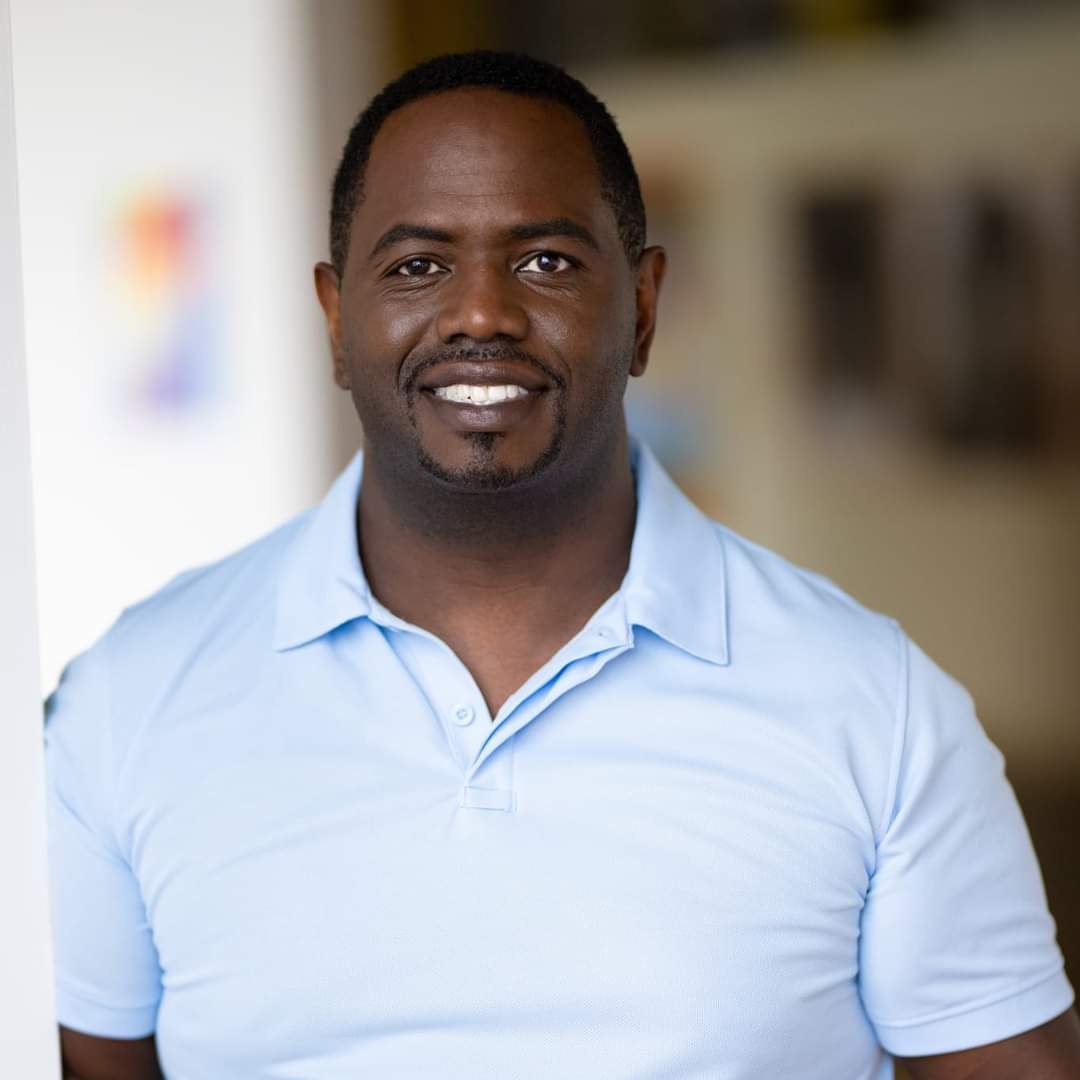
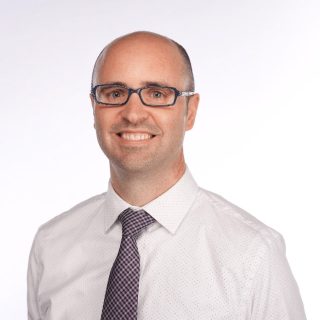
[00:00:00] Speaker A: Welcome back listeners to the Tron podcast, the Randomness of Nothing. This is your host, Rashad Woods. And today I have very special guest. Today he has a very, very inspiring entrepreneurial journey from India to the United States and his embodiment of the American dream of success with IT and customized business solutions. Mr. Sri Kaluva, thank you very much.
[00:00:18] Speaker B: Thank you very much for having me.
[00:00:20] Speaker A: Rashad, it's been an honor and a pleasure. I know we talked a few times privately, so I've been very fascinated by your success and I appreciate you reaching out to me. Please share for the audience what exactly you've accomplished.
[00:00:31] Speaker B: That's a wonderful question. No, Rashad, I'm a simple man and family man. One thing I'm really passionate about is helping small businesses applying technology on their business. Back in India, my father was a small business owner. I started working with him, alongside with him under the guidance of my father on what are the best principles to run the business and how to manage your business. What is the promise means and what is the commitment means at the age of 15 and my entrepreneurial journey started with him under the guidance. But after that I came to United States in 1999 and started working, started working for large corporations, Fortune 500 companies creating software IT systems for that they can use it worldwide. But you know, in 2006 it kind of bothered me that I'm not contributing much to the small business environment, small business community. I kind of had a feeling that my contributions to the large corporations doesn't mean much. Kind of started unique solutions of advanced technologies which is IT firm creating technology solutions for small businesses. Mainly the small business was under impression that technology.
In order for me to use technology, I need to have a deeper podcast. I heard that quite a lot and I wanted to bust that myth. I want to help small businesses that they don't have to break the bank to use the technology and they have equal opportunity to use the technology as any large corporation, but they just have to have a mindset. So I was working with hundreds of small businesses creating different software platforms for helping them. While I'm doing that, I also learned that there is another segment of small business which is probably a micro business we call they cannot afford having their own software to manage their business.
[00:02:26] Speaker A: Software as a service.
[00:02:28] Speaker B: Correct. Now that my work belt is a software as a service that got invented through that experience and learning the challenge of small businesses. So now my work belt is serving many customers all across the world. They can run their entire business sitting in their house or couch. It doesn't matter. Business owner.
And most importantly, they be able to know whether they're making money or they're losing money on a given project.
[00:02:59] Speaker A: For sure. Beautiful.
[00:03:01] Speaker B: So they can manage their entire business using a tablet computer or a mobile app or computer whatnot.
[00:03:07] Speaker A: Right. And that allows them to then focus on their core business model as opposed to the back end, paperwork, invoicing and other tailor.
I thought it was interesting when I went to your went to your website. It lets them focus on their business. Correct. As opposed to something that they're not necessarily good at or very time consuming with paperwork.
[00:03:26] Speaker B: Absolutely, absolutely. See, small business owners and for that matter, anybody, any leader in the small business, they do a lot of work being in the business, you know, taking care of the paperwork. And just an example, if a small business owner, they go to a bank and ask for a loan or something. Right. And immediately they ask for, hey, where is, can you give me the title of incorporation? Articles of incorporation. Now the small business owners don't save it in the folder somewhere it's lost after five, 10 years. Whereas if that is somewhere available in the software that they can simply download and give it, it saves nearly half a day of work.
[00:04:09] Speaker A: Absolutely.
[00:04:11] Speaker B: Like that. There are many. I'm only giving that as an example, as a tip of the iceberg in the world of a small business own.
[00:04:18] Speaker A: Correct.
[00:04:19] Speaker B: That is where the vision come out in my work. Bell got an invention. Got invented.
[00:04:25] Speaker A: Well, I thought that was interesting too because it looks like it goes to H Vac, it goes to construction, you know, where people are on site and maybe they need to take care of something in real time or they're face to face with the customer or they're on the road or they're using their, their work truck and they really need to be able to do something at that exact moment. And then they could also have their team have because, and I say this as a guy who's just starting out with just a podcast, people wear many hats and usually they gravitate towards what they're good at and ignore with what they're really not so good at.
[00:04:57] Speaker B: Absolutely, absolutely. Now not only that, Rashad, large corporations, they grow and thrive. Fundamentally one thing that they do really good at, which small businesses have a challenge to grasp it what it is, is they provide right tools to their employees and they provide right skill set for a right job. And by doing so they increase efficiency in running their business enormously.
[00:05:26] Speaker A: Yes, yes.
[00:05:28] Speaker B: However, the small businesses, the team will manage pretty much everything one person can manage.
Accounts receivables, Accounts payables and operations and everything.
But lack of tools will hinder their performance.
[00:05:43] Speaker A: Correct.
[00:05:43] Speaker B: And that creates a lot of frustration, a lot of rupture in running the business. If you eliminate that rupture, if you eliminate that bottlenecks in running the business, small business have equal opportunity to be profitable. Small business owners have equal opportunity to go catch a breath, take a vacation with their family.
[00:06:04] Speaker A: Right, right.
[00:06:05] Speaker B: They do have.
Just simply by providing right tools and empower their employees, the business will take care of itself.
[00:06:13] Speaker A: Well, I thought it was funny. You know, obviously you're, you're in the IT business, but there's small restaurants that were from where I live at, you know, you're in Michigan, I'm in Michigan. So I'm sure you've had the same experience. We only take cash. We only take cash. And then as the times finally got, they got dragged along where they were missing transactions and you have, you have the older business owner that's very traditional, didn't want to deal with the merchant fees and things like that. And then your company can come in and say, listen, we can streamline your payment solutions, your inventory management. This is going to help you with online ordering, delivering receivables, equipment costs so you can grow and continue to thrive in this new digital era. Do you find, do you find businesses that kind of were resistant in 2000, circa 8, 6, that 20, 20 roll around? Hey, we have this. They're all in now.
[00:07:03] Speaker B: Yes. Well, not only that, see the many of the baby boomers who are using old approaches for running their business, they are either handing over the business to their employees or handing over to business to their hair. Right. You know, their son, son in law, daughter, daughter in law, whoever.
[00:07:21] Speaker A: Yes.
[00:07:22] Speaker B: The new generation who is taking over this existing businesses have a different perspective.
[00:07:28] Speaker A: Yes.
[00:07:28] Speaker B: They are much more open minded in using technology because they are born and grew along with the technology.
[00:07:34] Speaker A: Correct.
[00:07:35] Speaker B: Only, only part is that now they just need to identify the right tools. Now when you do that, there's always another challenge comes in the way because you may have a dozen different tools that you use for a dozen different systems in your business. Then now again you're adding more.
The more the number of tools, the more the challenge will become. And you may be entering the same data in multiple tools.
[00:08:02] Speaker A: Absolutely.
[00:08:02] Speaker B: Whereas if you bring in a single tool which handles your employee data, which handles your inventory data, which handles your purchase orders, which handles your invoicing, your payments, if you have a one single system that will handle your entire business so you don't have A double entry. You don't have to lose the data. Correct. So to speak. This, this seamless operation will help you be more efficient.
[00:08:28] Speaker A: On a side note, I just have to ask, how did you build this from the ground up? What's your educational background that allowed you to build such a successful IT company from scratch?
[00:08:37] Speaker B: Oh, that's a great question, Rashad. Definitely. I can tell you I don't have a magic wand. Right. I don't have a magic wand. So by, by education back in India I was electrical and electronics engineer.
[00:08:48] Speaker A: Okay.
[00:08:49] Speaker B: However, that gave me great deal of logic on how to analyze, whatever the situation, how to define a solution within the constraints that are available. But that's an engineer mind that I have had. But at the same time, working alongside of my father at the age of 15 helped me understand the foundation of a small business and what goes in the business and what happens, what are the intricacies of a business? Right.
And combining those two allowed me to bring a great deal of value to the small business. Right now an engineer logical mind have a.
Automation and systems can be developed. But can you develop that will be adaptable by the small businesses? No, you cannot. Unless you have that mindset of a small business understanding of a small business.
[00:09:45] Speaker A: And, and two, sometimes larger companies aren't as nimble because it has to go through multiple layers for approval to make a very quick solution. And that's one of the complexities that you deal with hierarchy chains. The strategy manager, the project manager has to take you to his director, the director has to get signed off from the vp, the VP has to get a sign off from the cfo and then next, you know, you're sitting there for five weeks and you're having meeting after meeting after meeting about it and meanwhile you, you have the ability when you do a small business, we're going to make a decision, let's have lunch, we're going to go this way. So the FL flexibility I'm sure was a big proponent of why you went in this direction rather than state of those Fortune 500 companies.
[00:10:22] Speaker B: That's one thing. That's one thing for sure. And second thing, in the large corporations, they upper management will make a decision and they will purchase the softwares and they will purchase the IT systems and then they shove it in the throat of end users. They hate it because they don't have a say in it and they have to use it although whether it is useful for their work or not.
[00:10:45] Speaker A: Right.
[00:10:45] Speaker B: Whereas in small business case you bring in your team members and take their Input. Now what happens the team is all buy into it for sure.
[00:10:56] Speaker A: For sure.
[00:10:57] Speaker B: Once the team buy into it, once they feel like, okay, I contributed to this decision, now I owe it.
[00:11:04] Speaker A: Absolutely.
[00:11:05] Speaker B: Guess what? They will use it to death.
[00:11:07] Speaker A: There's an onboarding process, there's a training, there's the tablet that gets put in their hand. Right. It's personal.
You have a particular, you know, you're in purchasing and so you're responding for, for our vendor relations, you know, you're in payroll. You're going to be responsible. Yes. There's a self ownership involved and then I'm sure you know, based upon the whatever company you see the savings that you have, then that's a bonus for somebody on the back end when you. Exactly, absolutely. Right, Exactly.
[00:11:33] Speaker B: So the small businesses definitely have a greater edge over large corporations. But it is most important for a small business owner to recognize that I am nimble, I am humble and we collectively work as a team. And many cases they see they fit, they fit right in as a family more than a team.
Some people like to call the family, some people don't like to call the family. It all depends on the culture. However, they all know each other very deeply. Right. And one person is accepting to a certain decision. It is. Another person will just line up. Right. You know, I've been working with Joe for last 15 years. When Joe is accepting to it, it is easy for me to accept to it.
[00:12:19] Speaker A: Exactly, exactly. Now how did you start, you know what was. Describe the onboarding process. So somebody, you, you get that H Vac company business, small business, concrete company, construction company.
Hey, I need to be onboarded. I'm on board. You know, what exactly are the steps to make sure that I'm integrated fully with your software? Software platform. Because you have an app as well too.
[00:12:41] Speaker B: That's a great question, Rashad. See, when generally when you are buying a software, when you subscribe to a software, I mean take just the case of QuickBooks, right? You subscribe to QuickBooks but nobody will talk to you in QuickBooks. You cannot talk to anybody in QuickBooks. Now either you have to swim on your own or you have to find a QuickBooks consultant and pay them in addition to your subscription fee and set it up for you.
[00:13:06] Speaker A: Right.
[00:13:07] Speaker B: I'm serious. This is how the world.
[00:13:08] Speaker A: That's why I'm laughing at it. Because it's so absurd. Because it happens every day.
[00:13:12] Speaker B: Exactly. But take the case of my workbelt, we don't do that.
When you subscribe to a certain plan within the My Workbelt, you will immediately ask to find a appointment or find a schedule for onboarding.
[00:13:28] Speaker A: Right, right.
[00:13:30] Speaker B: There is nowhere you can go once you, once you subscribe to it. You.
Right there, right there.
[00:13:37] Speaker A: Absolutely.
[00:13:38] Speaker B: And once you schedule your time for onboarding, onboarding team will call you and they will work with you. Wonderful. Right. And the onboarding team is going to give you the checklist. Hey, we need your letterhead, we need your customer data, we need to work with it. And when sometimes the small businesses, they don't know, I need your email settings. Right. So that my workbelt will send an email to your customers when you create an invoice. I don't know the email settings. Right. Onboarding team will guide you to extract those email settings and then integrate that. So this is all hand holding is done to onboard you.
[00:14:18] Speaker A: It's amazing too because I'm just putting in my head, you know, even when, you know, you look at, obviously we're using large platforms ourselves, but it having somebody personally tailor make it for your business and bring you along the way because ultimately not everybody works at a large corporation. Not everybody. And people in this AI driven era and that's not a knock on AI have lost that, have lost that personal touch.
[00:14:41] Speaker B: Right, Exactly.
[00:14:42] Speaker A: A third leg to that is not everybody's that with due respect, that 22 year old whiz kid that doesn't need anybody to talk to him, right. They can just say, I don't want to talk to anybody. I can do everything digitally and I'm done. No, you own a business you like, I'm not going to onboard an IT service and handle my invoicing without talking to the people that are ultimately, you know, like, you know, like, hey, let's, I got payroll, I got suppliers, I have rent, etc.
[00:15:04] Speaker B: Exactly.
[00:15:05] Speaker A: It's very important to be talked to.
[00:15:08] Speaker B: Exactly. No, not only that, Rashad, here is it is what my question to you, right? Tell me there is a software, you subscribe to it and can you see a phone number or an email address that you can talk to somebody?
[00:15:20] Speaker A: Oh my gosh, no. Absolutely positive.
[00:15:23] Speaker B: I mean right now you and I are talking on this, whatever the platform, right? Your website.
[00:15:28] Speaker A: Yes.
[00:15:28] Speaker B: When you subscribe to it, there is no such phone number that you can talk to.
[00:15:32] Speaker A: Not at all.
[00:15:33] Speaker B: Not at all.
[00:15:33] Speaker A: And you, you know, you, you're lucky you have to send an email. Then you're, did you get the email? Did you get the email? Right. So then it becomes I really need help with this, you know, and it's like that with all these platforms so large they get disconnected from the user, the end user.
[00:15:46] Speaker B: That's why we want to be different. Everybody is going away from helping customer but just simply collecting their monthly subscription fees. Right? Right.
[00:15:57] Speaker A: And then it goes, and then it goes up. And then it goes up, it goes.
[00:15:59] Speaker B: Up, it goes up. You don't have less, you don't, you, you, you don't have. Either you figure it out or you get frustrated and disconnect for one year, two years. But you still lost your mind, lost your time. You did the money that you lost, you may be $100 lost or $500 lost for sure. That's one part of it. But guess what? You lost one year of your time trying something that doesn't work.
[00:16:23] Speaker A: Right?
[00:16:23] Speaker B: Right.
[00:16:24] Speaker A: You cannot bring it back and you can't. And the thing is about it too is. You know what I appreciated about, I love the name Unique solutions because it automatically tailor makes it to that specific. The needs of somebody who has a 24 hour plumbing service are different from.
[00:16:39] Speaker B: Maybe they can call.
If they don't, they just simply go on the website. They can see the phone number and dial in right there and they will have a help right away. And it is very important we recognize that we need to work side by side with the small businesses. We need to be their friend, we need to be their partner. How we can do that? By being there when they really need it.
[00:17:04] Speaker A: Right?
[00:17:04] Speaker B: Right. So we published our website. On our website, we publish our address mailing address. We published our email address, we published our phone number. We want our subscribers to call us. We want our subscribers to work with us. And that way we can help them to succeed. When they are successful, we are successful. Right.
[00:17:23] Speaker A: How large is your staff? How large is the is your employee staff level, if I could ask?
[00:17:28] Speaker B: We have multiple teams, we have multiple staff. We are covering 24 by 7 support.
[00:17:34] Speaker A: Wonderful.
[00:17:35] Speaker B: For the small businesses. We have customer. We have the subscribers in California, we have the subscribers in New York and we have, as I told you before, we have subscribers in India, we have subscribers in Canada. So we, we want to be able to support everybody, I think.
[00:17:50] Speaker A: Yeah. And that's the fascinating part. Right. And I get fascinated. I hate to cut you off that a small business, and I'm not dissing this in any way can be global in reach.
[00:17:59] Speaker B: Literally.
[00:17:59] Speaker A: Before I talk to you, it never would have even dawned on me that places you're driving through in downtown Royal Oak, like that's a global company. I'm driving through past right now.
[00:18:07] Speaker B: We are not A multi billion dollar company. I can tell you for sure. Otherwise Rashad, you and you and I, we both know to each other we are not a multi billion dollar company. Right.
[00:18:16] Speaker A: But still it's impressive.
[00:18:17] Speaker B: If you can use the technology, you can apply the technology and you can use the global team to be able to support your global customers.
[00:18:26] Speaker A: Correct.
[00:18:26] Speaker B: You are a global company.
[00:18:27] Speaker A: Right.
[00:18:28] Speaker B: Even 20 years ago when you say global company, you would automatically think it is a multi billion dollar company.
[00:18:35] Speaker A: Absolutely, absolutely.
[00:18:36] Speaker B: But you don't have to be that way anymore.
[00:18:39] Speaker A: And your flexibility and your solutions that are in place, you know, I thought were very, very nimble. And I love the ability for people to reach out to you and your respective customers. How do you continue to grow? Like what is your next respective reach? Because now everybody's all in on digital and AI and IT solutions. So how do you stay at the forefront of people who are ultimately A competing with you and B now everybody's all in on this. That wasn't 10, 15 years ago.
[00:19:06] Speaker B: You see, that's a very interesting point you brought, Rashad. Everybody is competing with you is not really a perspective I take it on.
[00:19:14] Speaker A: Got it.
[00:19:15] Speaker B: There is enough.
There is opportunities in the market that if you go into the market with a sincere mind. I am helping my customer to the best of my ability that God gave me. You are not looking at a competition.
[00:19:30] Speaker A: Very good point.
[00:19:30] Speaker B: Very good point. You are not in the race for beating somebody. You are in the race for helping somebody. Got it Right. Now once I am doing that, I am helping my subscribers, we are helping them to succeed, then universe will automatically give me the ability to stay alive.
[00:19:49] Speaker A: Absolutely.
[00:19:51] Speaker B: If my mindset is only I am taking the monthly subscription fee and I am racking up a million dollar today and $2 million tomorrow and 100 million dol tomorrow.
[00:20:01] Speaker A: You lost the customer.
[00:20:03] Speaker B: My success is only to the level of money and that's not a long term solution. Right. We all know money will wipe out in overnight.
[00:20:11] Speaker A: Yeah, absolutely it will. Did you find briefly I saw some of the success stories on your website where companies were growing because they were utilizing your services, they were doubling the revenue. So there's a good end to implementing an IT solution even to the most resistance of companies. Like listen, you're going to free up to be able to sell more of your product.
[00:20:30] Speaker B: Yes.
[00:20:30] Speaker A: You're going to see a, you know, don't look at the revenue fee. It's an investment to grow your business.
[00:20:35] Speaker B: Absolutely it is investment. But see here is the challenge. This is what the mindset of A business owner, right. I am paying whatever hundred dollars a month they look at it, I have to buy it. When you, the minute you say the word I have to buy it, I have to pay for it, then your subconscious is automatically looking at that I'm throwing away the money.
[00:20:57] Speaker A: Right.
[00:20:58] Speaker B: Right now if you look at the same thing, I have to subscribe to it, I have to invest in that tool, then your subconscious look at in a different perspective.
[00:21:10] Speaker A: Correct.
[00:21:10] Speaker B: It is giving me benefit for the future. The investment is the word that a business owner have to constantly use when they are going and looking out for suitable tools. They will do the same thing. They will say if they are going to buy a big machinery requires a CNC machine requires $100,000. They won't call this we are buying it for $100,000. We are investing it.
And software is the same thing. You are investing in a tool, you're investing in a machinery. You are investing in a partner who can help you grow, who can help you streamline your business.
[00:21:46] Speaker A: And I think that, you know, I always call, you know the old terminology L.
The people who drew it were the textile workers that were ruining the machinery in England. And you know when all. When the industrial revolution took place. So for the, for the ludding that's not coming on board.
[00:22:00] Speaker B: Yes.
[00:22:00] Speaker A: The only thing we can tell people is you're. I'm not saying you don't have a successful business, but the digital era is here and it's not going away, right?
[00:22:07] Speaker B: No.
[00:22:08] Speaker A: So ultimately it's best to be at the forefront with businesses like yourself that are nimble and agile and able to have customized flexible solutions to tailor to your business needs. Am I incorrect with that?
[00:22:19] Speaker B: Absolutely. It is very important for see when large companies, when they, they decide who is their vendor, they do all digging, investment investigation. One of the things they look at is how flexible is this vendor in helping me when I am in real need?
[00:22:37] Speaker A: Yes.
[00:22:38] Speaker B: How accessible is this vendor when I need to pick up the phone and talk?
[00:22:42] Speaker A: Yes.
[00:22:43] Speaker B: Right. They do go through all these things.
[00:22:46] Speaker A: Yes.
[00:22:46] Speaker B: And small businesses, they don't look at all those things. The small businesses, they think that I have no choice, but no, there is a choice. You just have to look for that particular parameters when you are deciding what.
[00:22:58] Speaker A: Tools you are buying or unfortunately, my nephew's son's friend has the best is the best IT dude in the world and all. You know, with all due respect, they have tunnel vision of like the person, their neighbor who really isn't qualified to be able to do that. I Mean, and it's just, I mean, unless they had a cpa, they're going to really burn your books. Right?
[00:23:19] Speaker B: Yeah, yeah, yeah, yeah. No doubt, no doubt, no doubt. Not only that, you also have to think that everybody has their own strength.
[00:23:26] Speaker A: Right?
[00:23:26] Speaker B: Right. If. If you are bringing in your nephew or niece into doing operation where they don't have a strength to do that, you will fail. You're going to lose a lot of time, money, and energy.
[00:23:38] Speaker A: Yes.
[00:23:39] Speaker B: Now, you may, you may be bringing them on board to do something out of your love and affection, but business doesn't work that way. Your employees will see that you are favoring to somebody just because they are.
[00:23:52] Speaker A: Your relative based on relationship. Absolutely.
[00:23:55] Speaker B: Now, the employees are not going to be happy about it. Right.
[00:23:57] Speaker A: You know, I think that one of the things that I've learned from you is that you are the embodiment of the American dream of success. And the results that you've shown and the customer base that you, that you have driven, it's. I almost have to take a backseat because, you know, creating a podcast is not creating a mobile agile IT company, but it still requires some level of commitment and agility and to create something. So in this creative space, I would never have talked to someone like yourself. And I'm learning the ability to be mobile, be agile, be prepared, and then tailor my interviews to the specific customer and interviewee client that I'm speaking with. So I have to thank you for that because I'm trying to pick your brain a little bit.
[00:24:42] Speaker B: I can't appreciate enough about you, Rashad, because I know you have a family we talked about privately. Right.
You are trying to take care of your family. You're trying to provide services to your audience.
Right. While you are doing your work, what you have to do to bring the bread onto the table. Right. I know how hard you work. I know how much hustle you're doing. That's what the small businesses do.
[00:25:11] Speaker A: Yeah.
You're wearing a lot of hats and you gotta, you know, when you're sleepy, when you're hungry, you know, the excuses go out the window. And I'm learning now that sometimes you have to take things off your plate so you can focus on the final product too.
[00:25:25] Speaker B: Exactly.
[00:25:26] Speaker A: And it's hard. It really is really hard because you have to vet, you have to talk, you have to take the unnecessary phone calls. You know, you have to take the BS that you really don't want to do, you know, for lack of a better term. Right. And you're like. But it's it's beautiful thing. And I don't think I'm doing a service by only, you know, talking to you for 30 minutes. But is there anything that we people can find? Sri Kaluva from the Tron podcast? You don't. They don't need me. You're wildly successful without me. But for the purpose of the show, please tell everybody how they can find you.
[00:25:59] Speaker B: They can find me everywhere. If they look for myworkbelt.com is the. Is the website Shri Kaluwa. If they search it on Internet, they will find me. I'm hiding in the bushes somewhere. I'm everywhere, all over the Internet. They can find me. All they need to do, just search my name. And all they need to go just simply myworkbelt. Com. As I mentioned, we are open. We want to talk to people. It's not like many of the software companies in the market. They don't have their contact information on it.
[00:26:29] Speaker A: They do not. And you know, I gotta be honest, I'm looking forward to your continued success. And I hope everybody who's listening, you know, who does listen, you pick up some new clients from this show. They don't need me. But anybody that gets picked up here, hey, this is a feather in my cap that I did it on this show. Maybe they get a phone call from you.
[00:26:45] Speaker B: Absolutely. Absolutely. Thank you very much, Rashad.
[00:26:47] Speaker A: Thank you very much, Sri Lanka.
[00:26:49] Speaker B: Yeah.
I'm really thrilled and honored to be on this show and for the audience, I hope I contributed something to help you learn and grow your business and be strong, stay focused. You will make it.
[00:27:02] Speaker A: Thank you very much for the kind words and I look forward to hearing from you soon.
[00:27:05] Speaker B: Excellent. Bye.