Episode Transcript
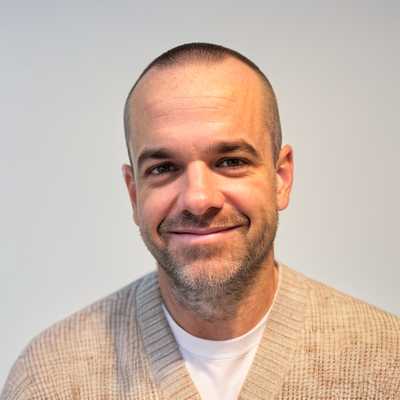
[00:00:00] Speaker A: Listeners of the Tron podcast, the randomness of nothing. This show is all about talking to subject matter experts and entrepreneurs. And this man epitomizes it. He's known as the Canadian Note guy. And this is an episode that people who are trying to make passive income or find out different ways to streamline your retirement. A very important topic because this isn't really given to you. You have to seek this information out. And this gentleman epitomizes it. Nathan Turner, thank you very much.
[00:00:26] Speaker B: Hey, thank you.
[00:00:26] Speaker A: It's an honor and a pleasure, sir. You know, you came to this show, you know, usually I'm the one that usually has a lot of answers, but I got a lot of questions because I'm very unfamiliar with your line of work and I love what you have to offer. So please tell us a little bit about yourself.
[00:00:40] Speaker B: Yeah, absolutely. So, Nathan Turner. I live in Canada. I live just outside of Calgary, Alberta. Beautiful on the west side, which is important because that means I'm just that much closer to the mountains. And it's gorgeous, it's beautiful area. We love it. I get to go south snowboarding when it. Anytime I want all those kind of things. So love it.
I kind of fell into this business.
I've been an entrepreneur my whole career, but kind of fell into this in about 2008, 2009 and introduced this whole idea of being able to buy notes, so mortgages or contracts for deed or land contracts or whatever you want to call that sector. There's a lot of those, but buying those up. So instead of buying the house, I'm just buying the financing, just the loan attached to the house.
So the house is still in the picture. It's, it's still a real estate kind of a play, but really I'm acting as the bank instead of a landlord, which is a great position.
Banks typically have the. Some of the tallest buildings in any city. There's a reason for that.
[00:01:46] Speaker A: Absolutely.
So the question is, is that, so how do you get into a field of work, what's your financial background, education to really know? And more importantly, how did you discover this market which is, you know, not really universally mainstream? Well known.
[00:02:01] Speaker B: Yeah. And you know, first of all, it's not really well known and it odd because we all have mortgages, we're all familiar with mortgages and it's been going around for literally thousands of years. This, this kind of business has been around forever, but for some reason we don't know about it.
So I was like everyone else, I didn't know anything about this business. I was a real estate guy before, so I did fix and flip. I had a rental that I found out very quickly. I didn't like being a landlord.
[00:02:32] Speaker A: When you were in Chicago, you said you slept on like the airport. It's the floor in Toronto. I'm like, gosh, this guy does it all, man.
[00:02:38] Speaker B: Yeah, yeah, that was, that's its own story all by itself. But yeah, it's just kind of. That was my background coming from that real estate side. I went to university, did a business degree and never actually had any intention of owning, running a business, anything like that. But here we are, kind of fell into it. I was given this opportunity where a bunch of investors had bought a bunch of properties out in the Midwest. They had purchased these houses like spring of 2007, right at the very tip of the top of the market. Yeah, of course a year and a half later we find out they way overpaid for this stuff. And by the time I was brought on board, they were in full panic mode mode. These guys were located in California, all the houses were Midwest. None of them had any real estate background. They're like, what do we do? And so my old partner and I, we got, we got brought on to just kind of take care of the problem and no operating budget, no anything, just here's the houses power of attorney K go.
So we thought we'd kind of invented seller finance where we're the brilliant idea. We're going to sell these houses on terms instead of renting them because they weren't in any condition to rent but we could sell them in as is condition where whoever's moving into it, it's their responsibility to take care of the house, pay the taxes, do all those things and we would just collect the payments and we set it up as a principal and interest payment. So we had some, you know, some basics going into it. Figured out fairly early on that we really didn't have any idea what we were doing.
But you know, you learn as you go and you get in touch with different people and networking and learning from those doing it.
[00:04:15] Speaker A: There's no classroom that can substitute that though. There's no, there's no classroom.
[00:04:20] Speaker B: No, there's really not. There's, there's, there are people who teach the business but like so many things. I was talking to some friends last night and you know, so I'm married, been married 24 years before I was married. I think I had an idea of what marriage was and what it was going to be like and all these things.
You don't really know until you get into it. And it's the same kind of thing.
[00:04:39] Speaker A: You know, and, and so like, here you are. It.
Is there something. Is the real estate licensing understanding the same in Canada as it is in the U.S. i mean, I'm not, I'm not using that as a dig, but there's different laws. You know, were you able to transfer a lot of skills or we. Did your licensing allow you to say, I can jump into this right away or there any hurdles that you had to overcome being. On being, you know, dealing with a different country?
[00:05:01] Speaker B: There's hurdles for sure. Licensing is actually not one of them. To be in this business. There's, there's.
I gotta be a little careful on how you say this. Cause there's very little licensing now. With the caveat being depending on the state, depending on the area and what you're trying to accomplish, there are certain licenses that are required in certain places and different things like that. Yeah, but. But generally speaking, there's. There's really no licensing involved with this. So that was, that was not the, the issue more is just, you know, dealing border. There's transferring money across the border, things like that. Those are the kind of obstacles we.
[00:05:37] Speaker A: Had to work on, understandably. So. So here you are. And I know that sometimes the. I say this very, very tactfully. What you do can. Some has been demonized because then people think like all of a sudden, oh, this person's buying a note and the banks get everything. They got their bailout. How did you. How does this not become a dirty word to the average person that this is actually a viable thing and it's a, it's a force for good because real estate is much more stable than stocks.
[00:06:03] Speaker B: Absolutely. And that's a great question because I had those same kind of concerns coming into it. I'm like, I don't want to be that guy that's kicking people out of their houses. Like, that's. That's not what I'm about.
[00:06:12] Speaker A: Right. And.
[00:06:13] Speaker B: And the vast majority of note investors. That's not the game. We're not. Ideally, here's the difference is, is when I'm a landlord, I own the house and therefore I have to fix the roof, I have to fix the toilet, I have to deal with tenants who don't really care about the house.
That's my world.
When I own the note, I'm the bank. Banks don't fix roofs, they don't fix toilets. They don't even deal with tenants. They're dealing with homeowners. So that's the first real big thing is I'm not dealing with the house because I don't want to deal with the house.
Being on this side of the table is I'm the bank because I don't want the house.
Ideally, that's not the goal.
Houses are a lot more work to deal with. It's a lot more liability to have. It's not what we're trying to accomplish.
So that being the basis for that, if there's somebody who's having a hard time. And when I got started, all I was buying was what we call non performing notes. So people who are not making payments.
[00:07:11] Speaker A: Oh, wow.
[00:07:11] Speaker B: And I figured out very quickly and it was a learning curve for me because I came from a real estate background. So it was, to me, it was all about the house. All about the house. And it didn't take me too long. It took me a little while, but not too long to figure out why do I want the house. That's way more work, that's way more liability, that's way more everything involved.
[00:07:29] Speaker A: Tone coding.
Yeah. You know, and I say this, I didn't mean to cut you up, but I find it funny, right? So like you turn on the HGTV and you know, anybody who's ever tuned into it, they've glamorized how quick and easy the process is, right. Oh, in 35 minutes or 45 minutes, you know, they put the little stats on the board, right. It's, it's almost like, it's like watching a martial arts movie and the guy gets his black belt too. I, I do martial arts. Right. And so it's like, oh, you got your black belt in two hour movie. No, it really took you like six years to really get a black belt. It's the same philosophy with you doing house flipping. Right, right. Or doing real estate. It's not a 30 minute process that the TV show has condensed it to.
[00:08:05] Speaker B: No, exactly. That's exactly it. And yeah, I mean, in the movie you get punched in the face and you bounce right back and you're ready for the next one. That's not how it works.
[00:08:12] Speaker A: No, no, no, no at all, man. You start seeing them little yellow dots, man, you know, and I've been, I've been blasted, I've been choked out. Anyway, I say full disclosure. This is about you, not me, but anybody who's ever done martial arts. If you said you've never been blasted or choked out, like you're. Yeah, you're full of it, man. It's doesn't happen man.
[00:08:32] Speaker B: And the same is true in any kind of business. You're gonna get hit in the face and it's gonna hurt and, and it's gonna take a minute to recover and get back on your feet. 100 same thing. So, so that's the other part of this is you know, I, I don't mean to over glamorize it. Like there's, there's challenges, there's risks, there's all that is involved as well. And so yeah, you can definitely get hit in the face.
[00:08:56] Speaker A: Do you find it? Because from my understanding the Canadian market is. It's very expensive and then it's very. Because you know, and you know I'm very familiar with Canada, married to a Canadian. So okay, you know, 75, 80 of the Canadian population lives within 100 miles of U S border. So there's a very condensed housing market as a result. Did it find that because of you know, business and because of the, the availability of real estate in the US that it was better to try to tap into that market simply because of the better opportunity? And then there's also weather that can get involved with places like Arizona is your Florida and, and coastal regions and the things like that. Did that attract you to your, to your line of work as well?
[00:09:33] Speaker B: Bottom line, it was really opportunity.
[00:09:35] Speaker A: Okay.
[00:09:36] Speaker B: So even, even in like the mortgage market. So here's fun fact difference between Canadian U.S. mortgages. So lots and lots of yeah way heavily regulated in Canada but then even just the structure of it. So in the US you've got, your loan term is going to be, you know, a 30 year mortgage and at whatever interest rate, this is the payment in the US that doesn't change for the entire term. Everything stays the same. In Canada the loan will be amortized over 30 years. But then you've got, typically it's a five year term and there's different ones you can choose. But what that means is after five years it's basically a balloon. So after five years now your, your rate is up and you have to go back to the bank and renegot with them and say okay, so before we were paying whatever 5%. Today's rate is now at 6.9 and it is what it is. So and then you, you know, you try to negotiate between different banks and whatever and you might get half a point off if you're lucky. But, but that's how it's structured. So because that's the case, there's really no incentive for banks to sell off their loans.
[00:10:44] Speaker A: Right.
[00:10:45] Speaker B: They, they're always going to be re. Refinancing every few years, so there's no secondary market. So really for me it was opportunity.
Yeah.
[00:10:54] Speaker A: Okay. Wow. Yeah. And you know, so yeah, that's, that's very fascinating because I've heard, you know, it was a tightly regulated situation, but I did not know that level of detail of it.
[00:11:02] Speaker B: Yeah, yeah, it's, it's just different enough that it makes it, you know, there's either the opportunity or there's not. And in Canada, seller finance even is almost unheard of. It's a, I've heard some people kind of advertising it and trying to train people on how to do it. And it's like a brand new far out there idea and people are freaked out by it and stuff, but that's a real thing you can do, do it. But it's almost unheard of. Everyone goes to the bank because Canadians, that's just what we do.
[00:11:29] Speaker A: Yeah. How do you, how do you all now explain to somebody, if you could, if that's listening to the show, how this would help somebody with their retirement or their supplemental income, being in this particular line of work. That's, you know, again, your level of expertise and all the. I'm just fascinated. So that way for their educational purposes.
[00:11:46] Speaker B: Yeah, for sure. So there's, there's two kind of basic approaches. You can be an active investor or you can be a passive investor. And that's true all over the place. But so in this case, the way that would work is if you want to be an active investor, you can actually go out and find one of these loans that's for sale. There's a couple of different websites out there where you can go and browse, you know, ones that are available, people that are looking to sell, and then you just go through and you choose. And that's a super simplified way of saying it because how do you know what it's worth and what's a good deal, what's not a good deal and what are some red flags to look out for? There's a lot that goes into that. But, but in its simplest form, there are some that are on these websites, there are a lot more that are not. And it comes down to a lot of networking and talking to people and all that kind of thing.
But then you can buy that loan either, you know, in your own personal name or a company name or in your IRA and just have that income coming in for the remainder of that term or until they pay that off. So if somebody moves, typically they're selling Their home, they pay off that loan and then they go get that loan somewhere else. So you've got it for, you know, whatever. It could be two years, it could be 30 years, depending.
So that's that. And that's kind of the active approach, or then you go the passive approach where you invest into, like, an investment fund. So I've got one of those. There's many other ones out there.
You put the money in, I go out and I find the loans. I manage them. If they're not paying, I take care of that. And then I just have a.
I can't use the word guaranteed, but a regular payment out to the investors so that they don't have to do it themselves.
[00:13:22] Speaker A: Yeah, I've seen, like. Is it anywhere similar to, like, arrived? Like, that's the new. I don't know if you look familiar. I think it's backed by Amazon, where they show all these rental properties where people can invest in and things like that.
[00:13:33] Speaker B: Similar to that.
[00:13:34] Speaker A: Yeah, similar to that. Okay.
[00:13:35] Speaker B: Yeah.
[00:13:36] Speaker A: But what the reality about it is, again, you know, sometimes people trust their certain financial institutions because that's what's, that's what grandpa told them or that's what their uncle told them. They didn't tell them to take the route that you did, even though there's more opportunity there and it's less risk. Right.
[00:13:54] Speaker B: And then the interesting thing with larger institutions is when there's trouble, if there's people that are not making payments or struggling to make payments or something, oddly enough, those larger institutions don't. Either they don't want to, or they don't know how to deal with those problem situations. So oftentimes they'll sell them off to somebody like me and, and me and people like me, we're really good because we can be very flexible and we can say, okay, you know, Your payment was 800 bucks a month. If that's not realistic, then what is realistic payment? And we can really get into like, okay, so your, your interest rate was 6%.
Is five and a half doable, or is 7% better for you? Or, you know, and we can do all kinds of mix and match and negotiating and just find out what's going to work, because I don't want to own that property. I would rather have that person making payments.
[00:14:48] Speaker A: Absolutely, absolutely. And, you know, the reality about it is, is that, you know, obviously there's lucrative landlord opportunities, but for the people that would rather not be, you know, changing toilet, changing toilets out or changing roofs, this is certainly a better way to get involved. In real estate, because it really is a very diverse set of work and not just particularly, you know, waiting for a call on a weekend to fix something. Right?
[00:15:10] Speaker B: Yeah. Yeah.
[00:15:10] Speaker A: You know, and, you know, and here's the reality about it. So when you got your. So you have your real estate license, right?
[00:15:17] Speaker B: I don't. No.
[00:15:18] Speaker A: Oh. Oh, damn.
Wow. That's amazing.
[00:15:23] Speaker B: Yeah, no, it's.
[00:15:25] Speaker A: It.
[00:15:25] Speaker B: That's not necessary. What the. When. Let's go back for a second. So when. Talk about, like, licensing. That's required. So for an example, Georgia.
[00:15:32] Speaker A: Yeah.
[00:15:33] Speaker B: If you own a loan, if you've. If you've purchased a loan from either an individual or bank or whatever, Georgia says that you have to be a licensed debt collector in the state of Georgia. Really? So, yeah. So that's more the licensing that we're talking about. So nothing to do with real estate itself, but I have to be a licensed debt collector. And then, of course, there's an application for that and blah, blah, blah, blah, blah. Oversight. I don't buy in Georgia because I don't want to.
[00:16:00] Speaker A: Come on, man. Like, you know, that's a licensed debt collector. I mean, that could. You'd rather not just go ahead and dive into that, like, especially remotely, no less, without being local to the sit, you know?
[00:16:09] Speaker B: Yeah.
[00:16:10] Speaker A: And you don't have to because there's a lot of other opportunities that you can just go ahead and not dive in that particular segment of business.
[00:16:16] Speaker B: Yeah, exactly.
[00:16:17] Speaker A: You're also the owner and host of Diversified Mortgage Expo.
[00:16:21] Speaker B: Yeah. Yeah.
[00:16:22] Speaker A: Can you dive into that for us, please?
[00:16:24] Speaker B: That is a lot of fun. So 2026 will be the 11th annual. We took it over, my wife and I, when it was seven years in. So we've run it the last three years, and it is just a blast. We do it in Nashville, Tennessee. We do the first weekend in May. And it's just an opportunity for anybody who's either looking to get involved or already involved in this whole space to come together, get together, network, learn some stuff from the different speakers, meet all the different vendors, all that kind of thing. Nobody's allowed to pitch from stage. It's like, it's. It's. You're never going to get, you know.
Yeah. Right in the back of the room.
[00:17:06] Speaker A: These are the Glengarry Glen Ross leads. I don't know if you ever seen that movie.
[00:17:09] Speaker B: And there's a place for all those things, but this isn't there. So it's. It's. Come Learn Network. See who you can, you know, connect with so you can get Some deals done, that's ultimately, that's what we're after. And it's awesome. It's so much fun. I highly recommend it.
[00:17:24] Speaker A: Yeah. You know, the thing is about it is, is that I think sometimes there are certain segments of business where, you know, people think that they're excluded from because I don't have a lot of net worth or I don't have the, you know, I don't have a Series 7, or I don't have a brokerage license, or I don't have a real estate license. And sometimes people put walls up, you know, amongst, you know, themselves, because there's. Oh, I don't do real estate because that's for those type of people. Right. So you're really in the business of breaking walls down because you show that that's for the casual, average person that's just trying to make income on the side. And so. Yeah, that's beautiful.
[00:17:58] Speaker B: It's awesome. We do kind of an informal poll at the beginning of the, of the conference to just say, so who's, who's brand new, who's done, you know, under 10 deals, who's done up to 50, and then who's done over 100 deals. And it's fascinating how evenly split. It always is. And for the last three years that we've been doing it and it's. I just find that so awesome and just so amazing that you've got the guy who's brand new, who just heard about it last week and thought, I got to check this out. And then you've got, on the other end, you've got the guy that's got a multimillion dollar pool of these notes that's been doing it for 20 years, 30 years, and they come together and it's one of the friendliest groups of people that I've ever been associated with where everybody's so willing to share and just, you know, hang out. There's no, like, oh, come talk to me when you've done, you know, this, or there's nothing like that. It's. It's very casual, very friendly. It's just a great environment.
[00:18:51] Speaker A: It's wonderful. How do you, how, how many employees do you have? Is it just you?
[00:18:57] Speaker B: My wife and I. That's it.
[00:18:59] Speaker A: That's amazing.
[00:19:00] Speaker B: We run the ship and that's. And, you know, this is how cool it is to do business today. So we run the ship, but then we've got attorneys in different states, we've got realtors, we've got, you know, service providers all over the place, but nobody actually on payroll, just people, you know, when we need them, then we've got them.
[00:19:17] Speaker A: Right? That's, you know, and so that, that's the beauty of the democratization of the process involved. Right. So now you, you know, in. More importantly, they have somebody that's specialized in a certain field of work, that has the expertise, the acumen, the business connections. Then now you can do a quick virtual call or just a call itself and get a deal done. And so those things are just wonderful. Do you have any issues, I have to ask, with currency fluctuations? Right. So like obviously, you know, when it comes to payments and notes and you're in Canada, does that come into factor at all with your company or do you. I'm just curious.
[00:19:50] Speaker B: It doesn't. Everything we do is in us, Everything's done in US dollars. And then when we pay ourselves, there's a, there's currency conversion there, but that's it. And so, you know, today we might get paid a little more than yesterday because the currency's gone one way or the other. But that's fine. That's my issue to deal with.
[00:20:08] Speaker A: Yeah, yeah, yeah, yeah. I just, I had a really cool guest who he, he was one of my first guests. He's based in the UK and he has a Cosmo Exchange. His name's Tony and he basically, he's in the uk, but he would domic. So he had a bank in the US so when people wanted to buy homes abroad, they would pay in the US currency. And then so they wouldn't pay the market, they wouldn't pay the bank currency exchange rate because he would time it to make sure they got their dollars worth when it got converted to pounds. That's great currency overseas.
[00:20:38] Speaker B: So that's really good.
[00:20:40] Speaker A: It's amazing. So is there anything we have not discussed that would be very important for our guests and listeners to hear about what you have to offer?
[00:20:51] Speaker B: So my advice to anybody who's, who hears this and goes, oh man, I gotta, I got, I need to do this.
My advice is get some education. And I don't have a training program. I'm not trying to sell anything like that. I will hook you up with one of my friends that do that. But yeah, but it's not real estate, it's real estate related. And yes, the house is there as our collateral, but we're looking at the loan. So you really need to understand the difference and why, you know, what you're looking for. So I'm looking at interest rates, I'm looking at last date paid, I'm looking at what term is remaining. I'm looking at those kinds of things. And if you don't have a grasp on that, you're gonna really struggle. So. And potentially get yourself into a bunch of trouble, legally and everything else. And so. So make sure you understand the rules of the game before you jump in. But it's open to all. Like, there's. There are thousands of notes out there. There's room for everybody. So come and check it out if you want.
[00:21:47] Speaker A: And where can people find you?
[00:21:48] Speaker B: Best place to go is my website. It's earnestinvesting.com and that's e A R N E S T. But that's the best place. It's got more information about my fund, about notes in general. There's a link there to the Diversified Mortgage Expo. That's the place to go. Just kind of, you know, central location for all the information.
[00:22:07] Speaker A: That gentleman's name was a friend's last name, Tony Redondo. So maybe I'd love to get in contact with him just so maybe you guys can bounce ideas back and forth.
[00:22:14] Speaker B: Certainly, yeah, that'd be cool.
[00:22:15] Speaker A: But, yeah, I'll shoot you his information. Tony, if you're listening, you're a great guy, and I've always. In fact, he sends a bunch. You know, we send emails all the time. And he has a wonderful newsletter as well, too.
[00:22:24] Speaker B: Awesome.
[00:22:24] Speaker A: I would like to thank you personally for your time out of your very busy schedule, because this is what the show is all about. Without this podcast, I would not have been able to have the privilege to speak with you and have the utilization of your time. And I hope it was well used on this show.
[00:22:37] Speaker B: It's my pleasure. Absolutely. Thank you.
[00:22:39] Speaker A: It's an absolute honor. Nathan Turner. This is Rashad woods at the Randomness of Nothing Podcast. And for the listeners, I hope you all have a wonderful holiday. Safe travels to everyone who's traveling, and it's been an honor. Nathan Turner.
[00:22:49] Speaker B: Thank you.