Episode Transcript
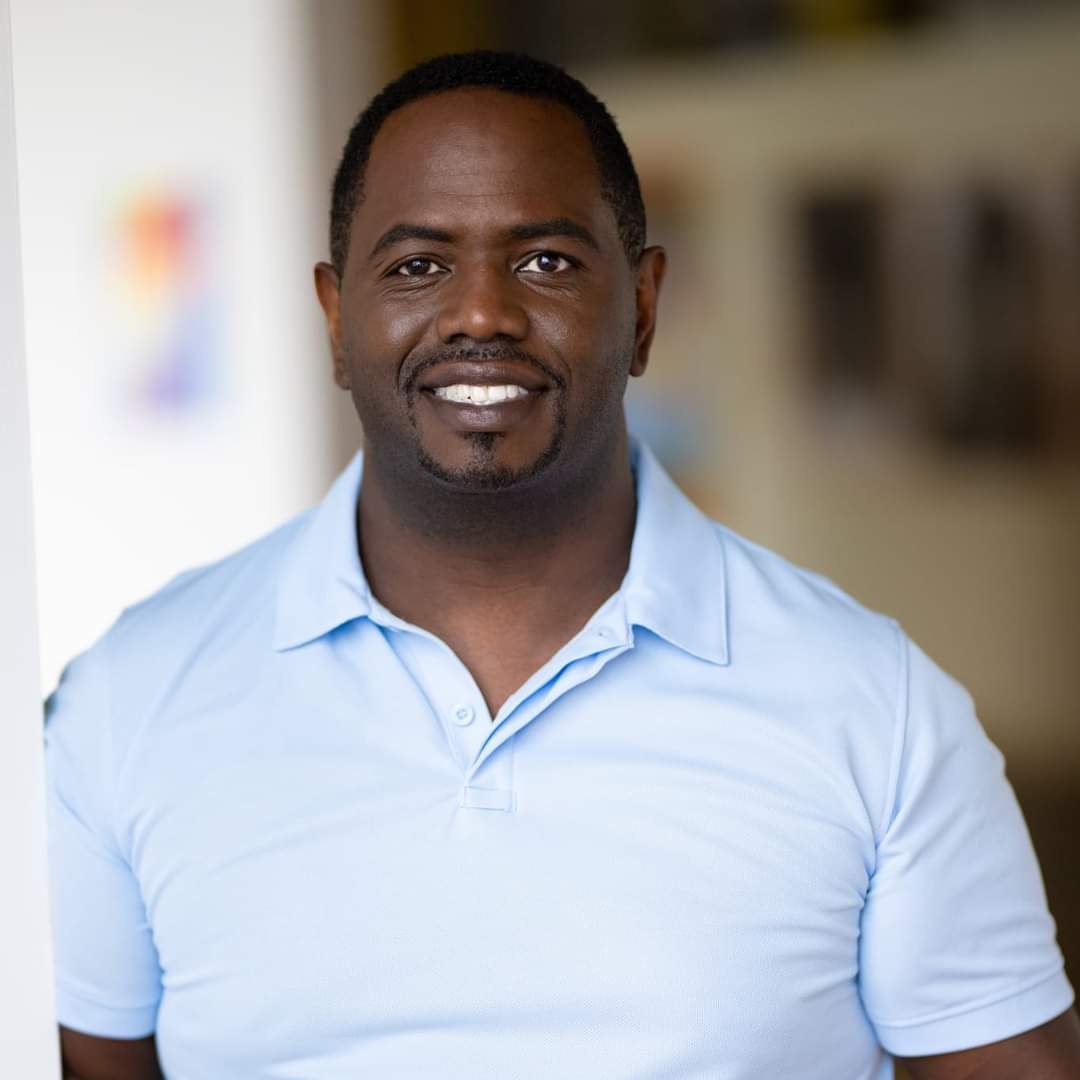
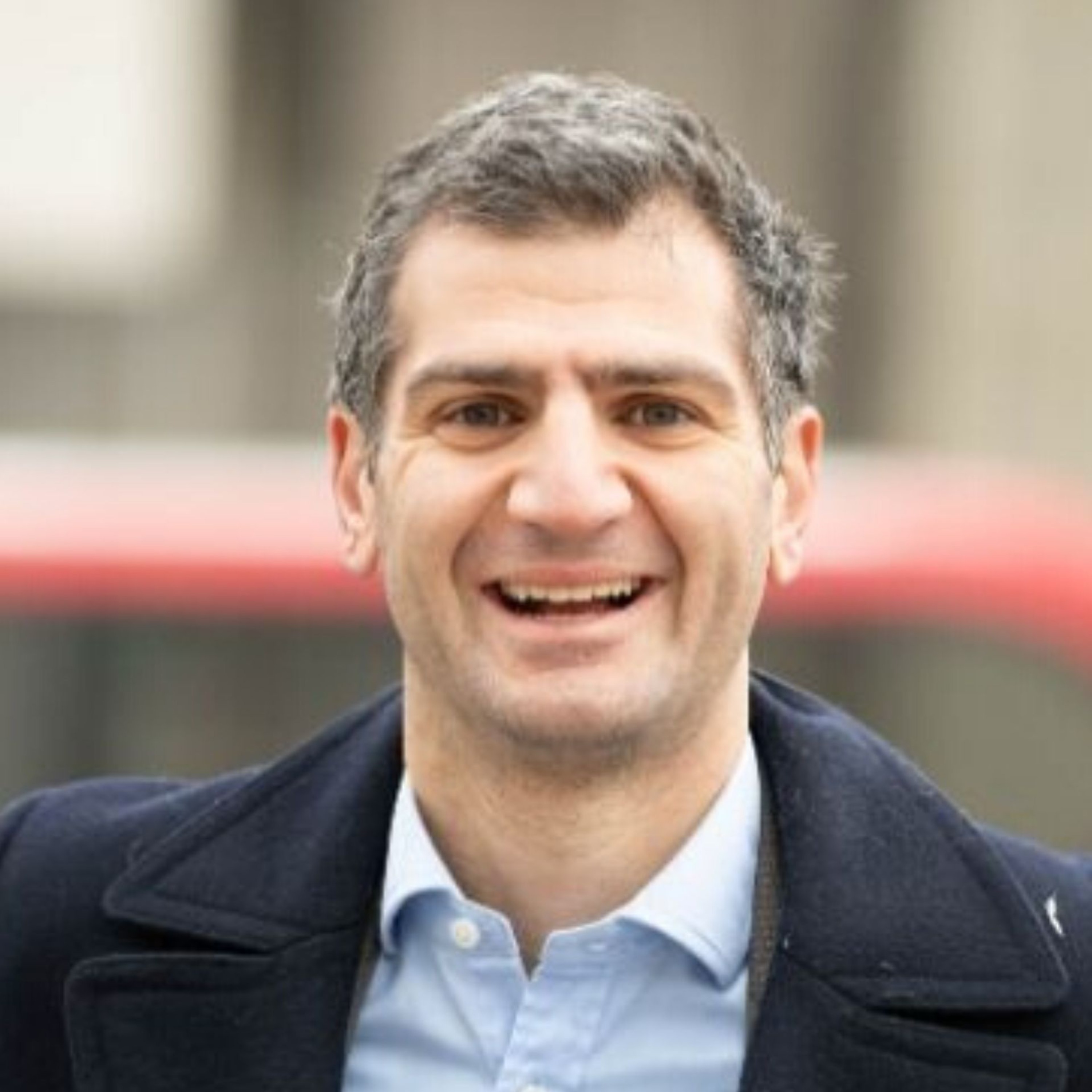
[00:00:01] Speaker A: Tron podcast listeners, this is your host, Rashad Woods. I always said we'd have fascinating guests, people who inspire people, entrepreneurs, and people who reach their success and are passing it on to others on this program. And nothing epitomizes that like the gentleman that I have as an honored guest today, franchise coach, entrepreneur, business person, CEO from the great state of Texas, Adam Goldman. Thank you, sir.
[00:00:25] Speaker B: What a great introduction there. Thank you so much, Rashad. I'm honored to be here.
[00:00:29] Speaker A: You know, so I'm very, very honored that you're willing to share your time and your secrets to success with others. And so there's, there's a multi layered success story to you. You're an entrepreneur. You have been for, you know, decades. And you've also decided to inspire and help others in those endeavors. So please tell us about your background.
[00:00:49] Speaker B: So I'm the kind of person that just never fit into a conventional mode of corporate America.
In many ways, I've been trying to avoid corporate America. So when I graduated from undergrad at Illinois, I decided, look, I, I got recruited by some companies, but I just decided to kind of go to Eastern Europe on a, on an internship.
Have you been out there?
[00:01:13] Speaker A: I had a chance to go to Europe and it's on my bucket list. So, you know, got it. That had to have been awesome just to do that immediately out of college, man.
[00:01:23] Speaker B: Yeah. And so it was really interesting time. It was the 90s where if you're American and had a heartbeat, you somehow got. You were somehow a great business person. And I was promoted to kind of do things that I probably shouldn't have been doing. Right.
So just kind of fast forward to business school again. Had had a company running in Europe when I was at business school, and. Yeah. And when it came time to kind of recruit, I kind of shied away from that as well after business school and sold my business in Europe.
[00:01:59] Speaker A: Awesome.
[00:02:01] Speaker B: And then.
Go ahead.
[00:02:02] Speaker A: Sorry. That's fantastic. It's wonderful.
[00:02:07] Speaker B: And so, Rashad, so after I sold that business, I got into real estate and that went great.
I actually had timings, everything in real estate, as you know. Right. So I started in 2008, right after the big recession, which is a great time to do this.
And I found that my deals were just kind of just drying up. Right. All these people were coming in and so spoke to a franchise coach and they're like, hey, you know, I didn't realize I'm really good at following process, not as good at creating it from scratch. It was like, you should really look at these Three companies. And the one that I got excited about was an office cleaning master franchise that I ended up owning for eight and a half years. Building up the Houston branch of that.
[00:02:51] Speaker A: That's amazing.
[00:02:53] Speaker B: And what I want is. And I had a great exit and my goal, as you said, empowering others. My goal is to have people to have the same sort of success that I had in franchising, you know.
[00:03:05] Speaker A: And I say, you know, it's funny, you know, you mentioned franchising because people had to have a tendency to think of, you know, these, these private equity groups that own these large restaurant chains and they immediately, you know, hey, listen man, I don't have, you know, nearly a close enough capital to be able to even tap into a market like that.
Having said that there are smart smaller franchises that people can tap into for that will generate wealth and income for them. You know, a cleaning business. And there are things that are always going to take place when they like offices always need to be clean, trash always needs to be taken out. Buildings always need, you know, waste removal and things of that nature. So there's very transactional things that are franchise that we don't even equate our minds with.
[00:03:50] Speaker B: Absolutely. So there's a misconception. There are a couple of misconceptions in my industry.
One of them is that you need to be a gazillionaire or billionaire to actually invest. I have brands that are, you can get into.
There is financing but typically, I mean on the low end we're talking about $125,000 all in and you could get financing.
What I would also say the other misconception is that people think that it's only about fast food and it's about flipping burgers. I have 75 industries. And the third is just because you're starting small doesn't mean that you have to end small. I have friends that are in essential businesses where they start with one truck and next thing they know it's an eight figure business.
[00:04:32] Speaker A: That's absolutely.
So when you start actually telling people. So how did you transition away from.
I'm, I'm doing my business previously I exited it with, you know, and then I decided to become a consultant and, and start. It's called Franchise Visa. From my understanding, correct. You have a separate business.
[00:04:51] Speaker B: So there, there are two separate businesses and I'm happy to chat about both of them.
So. So that's okay. No worries. So Franchise Visa is very interesting in that we create entrepreneurs that are looking to emigrate the United States.
They don't realize that they can actually emigrate by investing in a franchise business. So that's one thing separate. It's through an E2 visa for people that are already citizens or permanent residents. Franchise COACH it was kind of frankly a transition by accident.
I got this unsolicited offer from my company, wasn't sure what I was going to do next and next thing I knew, I'm like, wait a second here I have this part time business that's just become full time, which is matchmaking or recruiting.
I have this experience by doing this myself for eight and a half years as a franchisor and a franchisee. And it just became my business, right? Especially since the pandemic. It's been so bombarded and with situations now like tariffs and we hear about all these job reports and job cuts and that's when frankly people are more interested in alternate paths than when things are going great.
[00:06:01] Speaker A: Survival is the ultimate inspiration for people. And so, you know, when, when we talk about the franchising business model and people do get, you know, financing and you know, what, what industries are people thinking of outside of fast food, outside of these large private equity firms? Is it house cleaning businesses? Is it plumbing services?
Is it, you know, smaller businesses that have, you know, strategies that are in home remaking and modeling, things like that? Because you know, I've gotten emails and stuff before like that in my own personal LinkedIn and I, I never really pursued it that deep because I wasn't sure what was authentic.
[00:06:37] Speaker B: You know, it's 75, 75 different industries, right?
Less focused on the widget or the industry and more focused on the business characteristic, right? For my candidates it's a personalized service matchmaking when it comes to culture as well these different brands. But let me give you some examples, right? One of my favorite businesses now are things related to seniors because that's not going away, right? The right candidate. Anything in the senior industry, if you have the wherewithal and you have the interest in helping seniors out, there's a lot of, lot of business opportunity there. Another one, another industry I'm pretty high on.
I do like house cleaning, that's a great one. But things that aren't very expensive, I have, I mean, you name it, we can kind of talk hours about this. I really like, I have this other concept that's just kind of blowing me away because you kind of talked about there's money in muck, right? You talk about things such as, and it's not right for everyone, but I love things that other people don't want to do. And if you have a dog the last thing you want to do is to clean up the poop. Right. So there's, there's, there's, there's money in dog poop scooping franchises as well. I mean just it's, I mean we could talk hours upon hours about.
[00:07:49] Speaker A: Here's a question. This is kind of out of the box. I'm not sure you has this. What is the value of college teaching people about taking a path like you took. Obviously you got your internship in Europe but oftentimes universities and colleges don't. Don't. It's very structured. It's very, you know, take your internship, get your four year degree and then things will take you on this linear path to whatever that could, could end up to be. How has has college prepared people to do things like what you're doing where they've told people that this can be a viable business model? Maybe because the college doesn't benefit directly by putting them in certain places and in certain larger corporations and things like that.
[00:08:33] Speaker B: That's such a great question and I have a very strong opinion about this.
Look, I think education is critical and important. I wouldn't trade my education for anything.
I'm the kind of person that gets the most value from hands on experiences. Whether or not it's a case study at business school. Right. Or even investing in a franchise. I learned so much more with putting money down and starting an office clean master franchise than I did at getting my mba. It was just, it was awesome. It was just an amazing experience because there's real money on the line and so companies. I'm sorry FR universities need to a better job of getting these experiences going. And I want to kind of give a shout out to local.
Here in Houston we have a private high school and middle school.
I think it's called Crystal Ray.
And I'm just really blown away if they literally these kids are maybe 12, 13 or 14, but a big part of this whole charter school is that they're going out and they're trying to make sure that these kids have relevant work experience throughout Houston. They're in.
[00:09:37] Speaker A: Right.
[00:09:37] Speaker B: They're in these minivans.
[00:09:38] Speaker A: What I was leading to. Because you're a consultant from experience, not a consultant from an mba. And I say that very respectfully. Right. It wasn't suddenly. Yeah. You know and I'm sure there's a plethora of successful know consultants that you know, God forbid they hear this podcast and they're like I got this guy, you know because I'm going to tell you that I'm the guy that figured out. Having said that, you navigated the tricky waters of economic ups and downs, putting your money down, starting things, and there's no substitute for playing on the basketball court than it is, you know, sitting in the stands and watching it play, so to speak, you know.
[00:10:13] Speaker B: Absolutely. And look, I'm on the scene too.
I've seen hundreds of people start franchise brands now. I've been doing this role for over eight years. Right. So I know what's good, I know what isn't. But what's hardest for me is that when things don't work out. And that's sometimes, I mean, it's hardest when it's kind of a situation where it's a black swan event like the pandemic, and someone's in a place like California and they're under capitalized and they open a gym, just your heart goes out to them.
[00:10:41] Speaker A: Oh, my God. God.
[00:10:42] Speaker B: Right.
[00:10:42] Speaker A: And you know, you, you, you, you had everything planned out. You didn't plan for the apocalypse.
[00:10:47] Speaker B: Yep.
[00:10:47] Speaker A: Right. You didn't plan for.
[00:10:49] Speaker B: Exactly, exactly.
[00:10:50] Speaker A: There was no store. There's. And there's no precedent to navigate those waters, so to speak, of a situation like that, right?
[00:10:55] Speaker B: Nope.
[00:10:56] Speaker A: So if people are going into a franchise, how do you, is, do you get husbands and wives? Do you get people who bring their business partners? What advice and insight do you give? What typically works for people to have a successful franchise that they want to invest in?
[00:11:11] Speaker B: Well, look, some people say that the only ship that doesn't sail is the partnership. Right. So I would choose your partners very wisely.
Husband and wives.
Family businesses are great. Right. Because you might have a situation where one spouse has been staying at home with the kids and now they kind of want to go out and they'll be the one building it. Then the husband comes in afterwards. Right. So even family businesses. I've had parents and kids buy a business together.
I had a situation where a dad wanted a business for his daughter. Even adult children, their parents, like, hey, you know, I think you'd be great for my son. Let's go ahead and have, Let me connect you with him.
[00:11:51] Speaker A: So there's a lot of different multi layers involved. And you found out that families, that's. That seems like that's typically been because their goals are aligned, more likely. And you have people who are all in.
[00:12:00] Speaker B: Right? Absolutely.
[00:12:02] Speaker A: So I'm going to pivot briefly when it comes to the franchise visa because, you know, the franchise business model is obviously more than just seeing the big three or four fast food chains or your Chick Fil A and things of that nature. But when we talk about franchise visa, I was very fascinated by that because there's some misconceptions about how visa programs work and things like that. So what's the capital people have to have in order to get a franchise as, as an expat to the country to get a visa in entrepreneur franchise?
[00:12:31] Speaker B: So this is the interesting thing. It's 125,000 minimum, right? Typically 125 to 200.
The visa works best with service companies. And the reason why is when you go to the consulate in Toronto, for instance, you got to say, hey, here's my cleaning business or whatever business this is. And this is my first customer. And this is the wework that I have my office at. Right. Whereas it's harder to do with a much more expensive brick and mortar business to show that. So it's, I mean, I've never had one of these things not approved before from a visa perspective.
[00:13:07] Speaker A: So how long does that process typically take for somebody if in, in. Is there a certain territory or part of the world that's more common than others?
[00:13:18] Speaker B: So what I find is. So there are 140 countries that are E2 treaty countries that you can come to the United States from my experience is that the most, most of these people that are going ahead and investing are from places like the UK or in Canada or other places in Europe like Germany or Holland.
But also Pakistan is an E2 treaty.
[00:13:41] Speaker A: Country, and so is it reciprocated across. So does the U.S. did they allow citizens from the U.S. in some of these countries to do the exact same thing? You know, I don't know if that's your level of expertise or not. I'm sure your experience in Europe can help. But do they have reciprocation, so to speak, if somebody wanted to go to Europe and start a business or.
[00:14:02] Speaker B: That's above my pay grade, but I can tell you that like that, like, look, I mean, what, what I heard, I'm not sure exists anymore is countries like Portugal had these different visa where you could kind of go and be a digital nomad and you can get a visa?
[00:14:16] Speaker A: I think they said Dominican Republic people do that quite frequently too, and things like that. And for tax purposes, do you now in addition to your consulting, you know, do you navigate people to handle the accounting and the tax reasons that their US Tax code and different things that they just. So it doesn't trip them up along the way as well? Because that can get complicated coming from another country.
[00:14:38] Speaker B: So I'm, I myself am not an expert at that. But the good news is I have friends that are CPAs that kind of.
[00:14:43] Speaker A: Specialize in that when you, I just, I love talking this topic with you. So.
Well, you're a franchise coach. How big is your team? What's the onboarding process like when it comes to your franchising coach? When somebody's all in and you navigate them to a particular, you know, business and you've done the consulting portion and you've really done that time with them and that it breaks down, what exactly is the best industry for them? What's the next steps?
[00:15:11] Speaker B: So look, I mean, we have 17 people on our team now and many of them are kind of behind the scenes, just making sure that we can reach the right people. Messaging, marketing, right, lead generation, things of that sort, our marketing. But kind of to talk about timeline, the way it typically works is that someone raises their hand and says, hey, I'm interested in investing. And as I mentioned, really, Rashad, this is a personalized service where I'm trying to get to know people well. So I hop on a call with them and anyone else involved in the decision for about 45 minutes to an hour.
And then after we have that conversation, I give them my top three brands.
And then after I give them the top three brands, we go ahead and go through a process together. Things such as validation with existing franchisees or looking at disclosure documents that are related to franchising. My successful candidates are able to choose a brand in about two to four weeks time.
[00:16:09] Speaker A: And that's very good because that's not a shoot from the hip decision. And you have them presented with options, good fit, legal disclosure, income requirements, down payment requirements, financing. Things of that nature is in this era of less brick and mortar. And that's like the model that people have tended to get away from as well too because of the cost, the long leases and things of that nature. I don't want to say do you discourage, but had, have you had to start pivoting away and going towards other avenues that were, that were less, you know, expensive and prohibited for some of your clients.
[00:16:44] Speaker B: So typically for my clients that have the right resources, I, I do at least let them see brick and mortar businesses because there's an advantage for them.
The big advantage is, is that from a marketing perspective, once you have a shingle up somewhere, you get instant customers, right? They kind of come in and it potentially could be scalable as well. We're not talking about investing millions in a McDonald's. But if you get a really high caliber fitness concept that has really, really good recurring revenue and great economics, you could potentially rinse and repeat on many one, many ones of these. So I'm trying to give people different things to kind of compare.
[00:17:23] Speaker A: And I only ask that because I know sometimes people can start to sit back and say, you know, if I'm locked into a lease, if I'm locked into this building and I have to maintain it, insurance and things of that nature. But to your point, you know, if, if it's an ice cream or you know, some sort of, you know, ice cream place and it's in a very warm weather state as opposed to being in somewhere very cold, that could be better for one of your clients. Right. Like where there's a continual year round, particularly when it comes to tourism and things of that nature.
[00:17:52] Speaker B: I'm so glad you brought that up because when I'm making a match, I'm trying to really understand what market this is. Right. Demographics.
What I would say is, is that someone could kind of put all these things inside of Chat GPT or Grok or, or someplace else but, or Gemini. But at the end of the day, I mean these things are changing all the time. Things such as what's been sold or who's been. And it's just the kind of thing that Grok or Chat G.
It's.
[00:18:16] Speaker A: Even when you know it's great as a great editing tool, it's. But you still have to do your research. Like you can clean up a sentence, right? It's very important. I've talked to songwriters, you know, and it's very good to like structure the song. But you still have to write the song. Right. There's, you know, it's absolutely. Editing tool, so to speak. You know, and that's a wonderful, you know, and it's a wonderful.
[00:18:38] Speaker B: Absolutely.
[00:18:39] Speaker A: Obviously it helps people if they really have done their homework to whittle down the wordiness of it all. You know, there's a reason why there's an edit button to begin with, you know, so I always ask my guest this and they don't need me. And you know, where can people find you your services and your company and what you have to offer?
[00:19:02] Speaker B: So the best place to find me is if you're. So I'm offering free 15 minute consultations.
If someone is not a fit for franchising, I promise to let them know best place is on franchisecoach.net or franchiseadam.com and book that free 15 minute chat with me.
[00:19:22] Speaker A: Now, you started off as just one. By yourself doing this and. Or did you start off, you know, with a team to very. At the very beginning.
[00:19:32] Speaker B: It was just me.
[00:19:33] Speaker A: That's impressive. Right?
That's. That's impressive.
[00:19:36] Speaker B: Thank you.
[00:19:37] Speaker A: And did you have to.
So you're. It's. It's what I find fascinating about it. It's just you. And then how does it work when you hooked up with, like, the consulates to be. Is there a vetting process that takes place to get hooked up with the consulates to get to be an e2 verify system like that without disclosing that you can't disclose?
[00:19:54] Speaker B: So. So, so great question. I'm not an attorney. Right. I have partners that are E2 attorneys that are very good at giving advice about whether or not someone's E2 eligible or their country is or isn't. One of the things that's fascinating about E2, Rashad, is that India is not an E2 treaty country. So Indian citizens cannot get an E2 visa now if they have dual citizenship. Right. India and Canada, they can.
And it's really interesting. Certain countries like Granada are allowing people to become citizens, and then they can become me too.
[00:20:26] Speaker A: And so that's gotta be crazy to navigate. And I say that respectfully because you figure as many.
[00:20:31] Speaker B: Absolutely.
[00:20:31] Speaker A: You know, Indian entrepreneurs and you see, you know, you know, that are working in the tech industry that are working. You know, I just. That. That I never would imagine that wouldn't have been the case. And when you told me that, I guess I was just assuming. I just assumed it was.
[00:20:43] Speaker B: Yeah, exactly. I mean, some.
Some crazy percentage of the NASDAQ is Indian created. Right. Like the. Like some like 30 or 40% of Nasdaq companies are Indian led.
[00:20:55] Speaker A: Right. And so, you know, there's a large number of CEOs, and for people who are listening, this is a positive thing that we're talking about in no way shape. So I just don't want.
[00:21:03] Speaker B: Absolutely.
[00:21:04] Speaker A: Right.
[00:21:04] Speaker B: Microsoft.
[00:21:05] Speaker A: So it just. I was just fascinated.
[00:21:07] Speaker B: One of the. One of the best CEOs ever.
[00:21:09] Speaker A: Exactly. And I was just fascinated, you know, the.
I don't know if the parent name is Google Alphabet now. Right. And so it's just amazing that's not the case. And I was just like. I just. I'm shocked you said that.
So what do you want listeners that are listening to this episode and your time that you've taken out to be on my podcast. I'm very honored for it to take from this. When it comes to getting into franchising and the perceived barriers of entry that people thought that there were.
[00:21:37] Speaker B: So three things. Number one, there's a misconception that you have to do this full time. I have plenty of great options where you can run it with managers. Right. And potentially run it semi absentee or part time and keep your day job in a transition type phase with the business so you don't need to quit your day job to become a franchisee.
Number two, you can get in for as little as $50,000 of your own money if you have some financing or $125,000 all in.
And number three, I would say that just there's so many different things besides restaurants and flipping burgers. Just all the breadth of 75 different industries that fit what people are looking for.
[00:22:19] Speaker A: It's like looking for a good restaurant. You know, you can always look at the big chains or you can get in the muck and kind of find out these little small places that have really good food if you're willing to do your homework and research. But it's up to you to ultimately find out where those things lie. Right.
[00:22:32] Speaker B: So, and absolutely.
[00:22:34] Speaker A: Do you find that when you do your demographic search and do your location search, do you find that people are able to invest in a business even if it's not in their respective state and still be successful, or do they need to be close to it for it to be more successful from a franchise perspective?
[00:22:52] Speaker B: That's a great question. Vast majority of my placements are in the state. Just because even if you're semi absentee running this business with managers, it's still important to kind of be.
Have eyes on it.
[00:23:03] Speaker A: So that's great advice for the listeners of this show. So, Adam Goldman, you know, you've taken time out of your schedule to, to be on the Tron podcast. Random nothing. And I hope people take something away from this and if they take nothing else from it, it's that opportunity lies out there when they talk to people like yourself to be able to elevate themselves to, to where they want to be in life. And I, I'm honored that you were willing to spend some time to share that knowledge.
[00:23:28] Speaker B: Thank you so much, Rashad. It's been a pleasure chatting with you today.
You too.