Episode Transcript
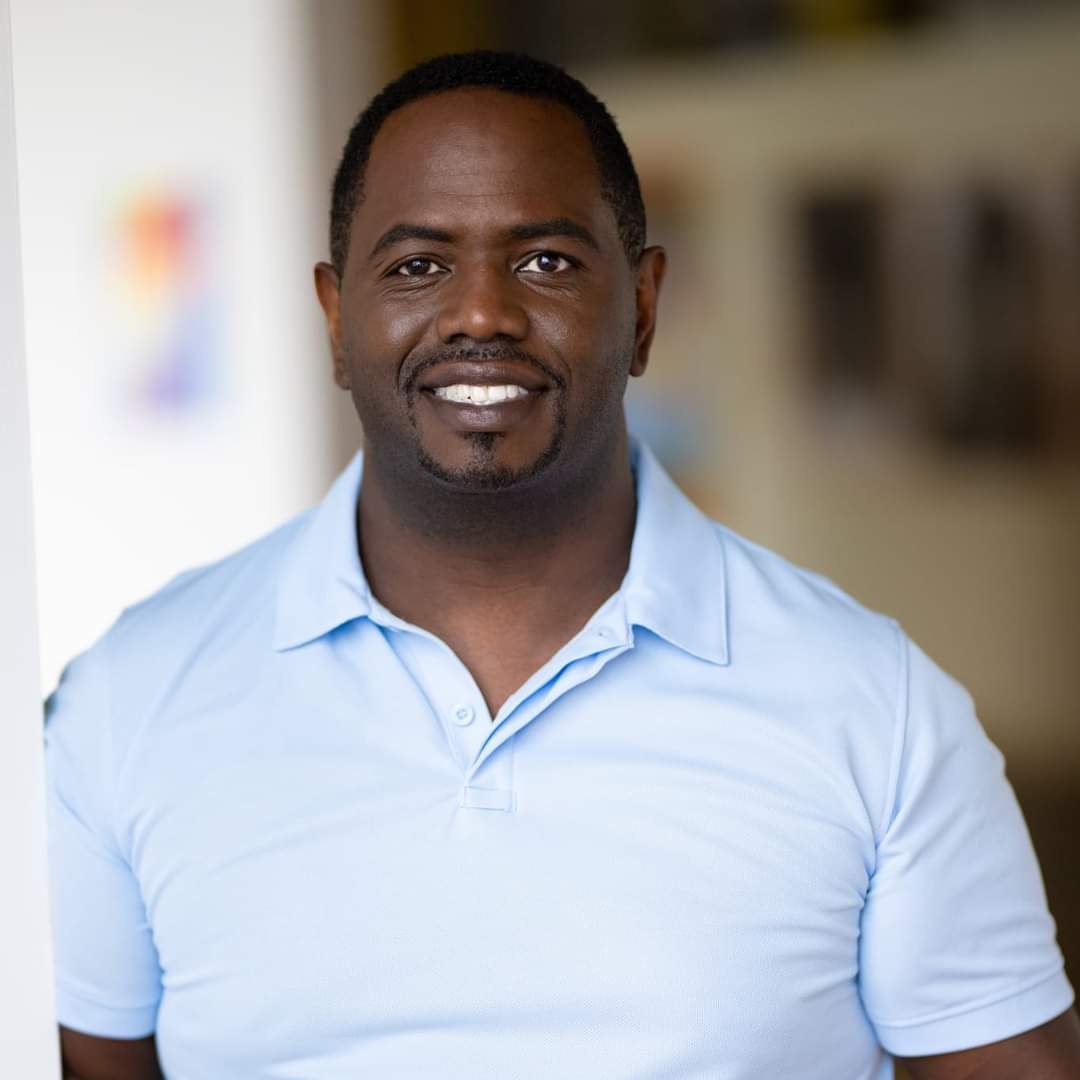
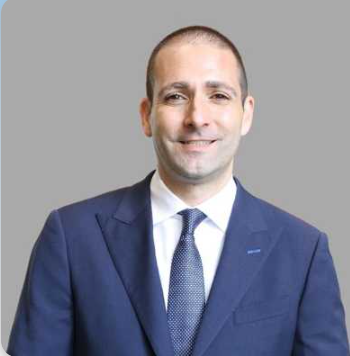
[00:00:00] Speaker A: Welcome back, listeners, to the Tron podcast, the Randomness of Nothing. I have a very special guest today who, to be honest with you, it's such a sensitive topic, but it's so glad that he does this line of work because people need people to be able to reach out to life coach Daniel Hill, and he's going to teach you how to be a better version of yourself and get to where you need to be. And it's okay to be vulnerable. Thank you, sir.
[00:00:20] Speaker B: Very, very, very good. Lovely intro. It's absolutely correct to be vulnerable. Think of anything in life that is young, whether it's a bud or a tiny giraffe or baby. Vulnerability. Vulnerability means growth. And if we're going to move beyond the. The challenge that we're in, we're gonna have to grow beyond it, which means we have to become vulnerable.
[00:00:41] Speaker A: Absolutely. For sure. And, you know, I thought it was very unique when you posted that video of the polar bear. And it was, you know, when they were. When it was in the Arctic and you gave this story about how the release of trauma, and I thought, yeah, that was very interesting. And when it was, you know, obviously they were. They were wildlife preservers, so it wasn't being hunted. But you said, like, basically when it shook, it was releasing the trauma. For people who haven't seen that video, it's right on your YouTube channel page. And I thought that was very, very poignant. If you could go into detail about that, please.
[00:01:08] Speaker B: So that incident is a polar bear that they are monitoring because the polar bears are less in numbers. And so they darted it to keep track of it.
And it's. A polar bear is an apex predator. So polar bear has never been hunted before. So. So they're chasing it with a helicopter. Now, they're doing it for good intention because of.
They're. They're low in numbers. But what the video shows is the animal releasing trauma. So basically, it's running away from the helicopter and these beings in it that are darting it with a gun. It doesn't know what that is. It's never seen this before, but it's been hunted.
And after the anesthetics taken, it's its effect. And they put the tag on it. They're monitoring it. They're probably weighing it, checking the size of its paws. Anyway, they still stay there when it's starting to come to, and it starts going into this involuntary shaking response.
And the. One of the guys goes, it's okay. This is how animals release trauma.
And we as a species have kind of lost that So I do a variety of techniques that help sort of release trauma from the body. It's, it's been studied over the years where if we can access the old trauma, the body can start involuntary going into these natural states of, of release. So I've worked on myself enough that I can spontaneously bring it on. There are various techniques, various things that you can do, but something like tapping, which I use, which is the EFT technique.
There's an eye movement technique that I use as well. And there's a technique called havening as well that's come out. These are all from the states that I've learned over the years. These all help to be able to release trauma. And everybody's got it. I even say that we're born into trauma because we've got parents that have had lineage where they've go, you know, both. They go back hundreds and hundreds and hundreds of years where life was much, much more difficult. And you know, literally people have got to, had to be in the constant states, fight and flight, in order to be able to survive.
We don't have the, we certainly didn't have the luxuries that we have now. So although people will come in and say, well, I haven't really got a lot of trauma, as if they're thinking of like, you know, a car accident or you know, a bank robbery that they got caught up in or, you know, some, some awful, horrible trauma. Actually, every time that we go through an experience, particularly as children, that we can't necessarily process and we go into our fight, flight, freeze response, we create trauma in, in that moment and all of that just gets stacked upon stack to stack, stack, stack, stack, stack, stack, stack. So then we become adults and then we start having all different types of issues where we can emotionally react to our boss, to our spouse, to the car in front of us, to maybe our best friend who's been our best friend for a long, long time, and suddenly they do something that we don't like. So, I mean, I've worked with clients now for nearly 20 years. I've built up relationships with some people for over a decade. And so you.
I'm more of a personal performance coach. But one of the reasons that we struggle is because of the unconscious mind having limitation. And we can say trauma, everybody's got it, whether they know it or they don't know it.
We often say how people are carrying a lot of baggage or another Anglo Saxon word, that person's got a lot of baggage.
So what is that? That's undigested emotional Experiences that we need to process.
And I've made the connection that basically my work really is about digesting the crap in our lives and transforming that. Because if you think about what crap, crap is, it's. It's a waste. So we don't need it anymore.
But most people are still carrying it to some degree, and we haven't taken the vital learnings from those experiences. So if you were to get the crap and get a pitchfork in it and air it, eventually that would break down and it would provide manure.
So.
Well, it's vital that all of these experiences that we go through are processed and we have to continue to do that for our growth.
[00:06:09] Speaker A: Right.
[00:06:09] Speaker B: Nobody, I've said before, nobody of any real great worth in consciousness or people that we look up to are like trust fund babies who've never been through anything. It's the people that have gone through things, processed it, and come out the other side smelling of roses. Well, smelling of roses. There's good manure on the rose or the roses, the bed of roses.
[00:06:33] Speaker A: Yeah.
[00:06:33] Speaker B: So, I mean, it's only. This is something that I've only kind of like really begun to process. It sounds a bit ridiculous in the last five years.
It was only when my mom said to me in lockdown, what is it you actually do? Because you're not a psychotherapist and you're not a counselor. And we were spending lots of time in lockdown, and it just came out of my mouth and I said, mom, I really work with people crap. And I. And I transform it, really. I said, really? It then becomes manure and then serves for your growth ultimately, because it's through those really difficult challenges that actually we found parts of ourselves that we thought we didn't have. You know, we became the person that we wish to be through the challenge. So actually challenge always. You know, there's that adage, what doesn't kill you makes you stronger. Stronger.
[00:07:25] Speaker A: So my question is, because I'm fascinated, because you have clients that are across, you know, the globe, across the pond. Do you find different issues based on geography? Do you. Are there things more prevalent that you've seen in certain countries, locations?
[00:07:39] Speaker B: Not really.
A lot of stuff harks back to childhood, which is the same. How did your mother treat you? How did your father treat you? Where were you in the pecking order? Were you firstborn, last born? Were you in the middle?
Each government is repressed to some degree that everybody has to develop themselves within a.
To a certain degree. But I.
Not really.
It's. It's Always, it's always what's happening. I mean, you could say sort of, let's say, I mean, you've just said you're in Chicago. Well, if I went and worked with somebody, you know, perhaps in the south, would they have slightly different challenges?
[00:08:22] Speaker A: You've just said how cold, things like that. Yeah, yeah, yeah, right, yeah.
[00:08:27] Speaker B: But it, yeah, but you can find in England they tend to say the colder you go, the more up north you go, the warmer the people are. Because they've all struggled. They also going to struggle against the cold to an extent. So they end up, there's more perhaps community spirit. Whereas, you know, I've worked with people down south in London and on the south coast, probably nearer London.
And you know, you might, you might have, you might share a corridor with a neighbor you've never even spoken to in two decades, it's possible. Whereas that probably won't happen up north.
But issues are issues and it's what's the limitation that's stopping you from growing. And often I just say as simple, you know, this is the life coach part of me. What is it that you wish? I use the word wish rather than want because it brings us to the 40,000 neurons in here. And when you were a little boy, Rashad, I'm sure you had a birthday cake and, and they said, you know, blow out, can you blow out the candles? You know. Yeah, make a wish. They don't say make a want, they say make a wish.
[00:09:32] Speaker A: Yeah, yeah, that, that, you know, that resonates very deeply, you know, and what I found, what I found fascinating was, you know, all the testimonials that were on your website and because, you know, oftentimes adults have to compartmentalize either because, you know, they, they're carrying, you know, career, kids, you know, activities and you, you know, oftentimes you'll hear that nobody really is, you know, looking out for them and their own well being. And then they could be breaking down mentally, you know, in, in, in private and they have to grieve and weep privately, but they have obligations that they have to meet.
[00:10:05] Speaker B: Parents, you're talking about.
[00:10:06] Speaker A: Sorry, yes, yes, adult, you know, or adults in general. Right. But yeah, you know, parents, spouses, you know, as you get older that, you know, it could be very lonely to get help because, you know, I'm, I'm paraphrasing. I have to imagine you have a lot of people that are very grateful because they finally have somebody who's looking out for them and their well being.
[00:10:23] Speaker B: Yeah, they're very unique. Relationships that are very sacred. I mean, I can be brought to tears sometimes because. And this is after sessions, I have quite a few tears in sessions, but only when people are being very open hearted. No trauma bothers me anymore because I've worked through so much and I know that you can come out from the other side. But they become very sacred things where people have shared with me experiences and things that they've been through or that they've done that there's enormous shame about and they've never told their. Perhaps their spouse, their family member knows, not even their best friend knows. And sometimes these things spontaneously come out of people's mouths and they say, I, no, I. I had no intention of telling you that.
But we work through it. And it's. Everybody has things in their life that they've been through and are going through that are very individual to them. There is a saying, the only way out is through, and you have to work through it. You have to, you have to work through the crap and you have to make it into manure because it will serve as manure. I don't, There's a spiritual component to what I do in as much as have a very strong feeling that there is a higher intelligence world that we call that God, life, the universe, all that is. There's something at work that actually, I don't even know if it's. We choose each lifetime or we choose each experience. But regardless, there is something profoundly intelligent at work so that the randomness does happen. But the majority of it is. It's almost like as a soul, we've chosen this experience and we're going through it and it will enrich us. There's something of value in it. The ego will never see it as that because the ego never wants to go through hardship. The ego never wants to go through challenge.
But, but there's something, there's a, there's a birth of something beautiful coming out through each and every challenge. And I'm very, very conscious of that now.
To begin with, you know, you. I maybe get clients that are going through all different types of things and, and I'd probably, you know, way back 20 years ago, you'd think, oh, crike through that, or they've been through that and all the. You don't sense it like that anymore because I've seen enough people as clients and then, you know, just in research, in books that I've written and people out on the Internet that have been through enormous hardship and are still going through it, people who don't have limbs who feed themselves, you know, and they use their feet, you know, to eat, and they can drive a car and they can date and they can eat and cut their hair somehow, you know, all these things.
My own grandfather, who I met in my first year, he passed away just over 18 months old. He had polio and he was. He had leg irons. He was very short man, was an optician. He's very well known around this area. I've met people who've gone, oh, I used to go and see your grandfather when, you know, when I was a little girl. He was such a lovely man. He never complained. He walked everywhere with leg irons. My father's passed now I haven't. My father passed away a good 20 years ago or so, and he couldn't speak highly enough of him. And it was. It. There was something birthed within the adversity.
There's a very famous clinical hypnotherapist called Dr. Milton Erickson, who is or was a very psychiatrist. But he was using hypnosis back in the day, in the 60s and the 70s. Passed away. He was in Texas. Passed away, I think, in the early 80s or 1980. He had polio. He had polio and he. It forced him to. He had to have an iron lung for a while. If you ever think where that breath comes from when people are going into states of hypnosis, it's because Dr. Milton Erickson had to learn to breathe with an iron lung, which meant he had to pause. And there's something hypnotic in that.
So. But what Milton Erickson would do as a child was he had to have a lot of convalescence and he would spend a lot of time sleeping on his bed. But when people would walk up the drive, his sensory acuity got better because he wasn't going out and about. And he could tell who was coming just by the footsteps coming up the drive.
It's the power of the unconscious. So one phrase Milton Erickson always used to have was trust your unconscious. It's ambiguous because trust your unconscious.
[00:15:08] Speaker A: Yeah.
[00:15:10] Speaker B: Or trust your unconscious mind, your unconscious, you know, so.
And there's something within that that he had a profound belief that, you know, and not even belief, knowing that the unconscious mind is in. Is the thing that's totally in control and work with that. You know, people were coming consciously with problems, but actually just work primarily with the unconscious. So I am a clinical hypnotist therapist, but I tend to use more nlp, which is like a waking state of hypnosis, in order to be able to change people.
And you'll always find that people have limitation in their patterns, in the way that the unconscious is currently sensing the world. And I use the word currently deliberately because preempts, change is about to come or will or will be coming soon.
[00:15:55] Speaker A: Do you. I thought it was very fascinating when I looked at your LinkedIn page and you gave the. The story of the king and the cleaning boy. And I was like, wow, you know, that was the king and the clean. Yeah, yeah, that was really. I had never heard of that before. And so, you know, it was interesting because, you know, he had, you know, no descendants, you know, and then he said, you know, he wanted to give everybody an opportunity to take the throne. And what was fascinating about that story was everybody really, for lack of better term, wanted the pomp and circumstance of the position, but didn't want to see somebody privately being human when he was in that temple and he was at his peace and his thoughts where he needed to meditate. And it's kind of an allegory for life. Right. So, you know, it was very poignant because here was people that were, you know, with the horses in the stables and his king robes and all these escutarian and all these great things. But at his most human basic element, he was lonely and nobody was there.
[00:16:52] Speaker B: There is that. But there was also a necessity to still his mind and to come out his ego.
I've had the privilege of working with multi millionaires and they have the same issues. I'm assuming you're not a multimillionaire, but that's just.
[00:17:09] Speaker A: That's that I am not.
[00:17:11] Speaker B: Well, there you go.
Neither am I. But I've had the privilege of working with them and they have the same issues that you and I have, just with extra notes on the end. The same issues with family, the same issues around colleagues, the same issues with partners, the same issues per se, all over that. That it struck me because I have worked with.
It's equally worked with someone who was formerly homeless. So I've worked with both ends of the spectrum.
[00:17:37] Speaker A: Yeah.
[00:17:38] Speaker B: And it's the same. It's the same all over. And the thing is, is that it's the.
What, what that story with the king and the cleaning boy that just to spoil it is, is that the fact that the cleaning boy is the only one who makes it to the temple, which is the high. The high echelon of everything. And it's the fact that you can have all of this money, you can have all of this success, which society and life would say you Know, if you get all of this stuff, happy days, you're going to be good. You're going to have peace, you're going to have love. You're going to have all the things that the ego is looking for, which is love, security, control. It's like you're going to, you'll have made it. It doesn't work that way because we, we this profound number of individuals that are successful and then go on and then take their lives or are addicted to drugs or struggle with depression and anxiety and all different types of things. So it's, it's the realization that the, the, the, the cleaning boy had an awareness of that his favorite place was seeing the king at peace.
That was the only thing that, that gave him peace. So the equestrianism, the politics, the bathing, the tailoring, all the other things that you get from being kingly actually don't actually give you peace. This. It.
Sometimes I've worked with very successful people and actually they just continue to learn that less is more. And they go back to living quite relatively simple lives. They still have nice homes and cars, but they simplify things because we can over complicate the whole scenario and life. And actually, you know, I mean, I've watched recently videos with indigenous people because I find their culture fascinating. How can they have peace? There's no pension, there's no, there's no enormous winner. Winnebago, you know, there's no, you know, they're having the same life over and over, I think, just learning simple things from people who are close to dying. I learned a lot from my father when he was close to losing his life. Well, he lost his life, but, you know, when life was slipping away, one thing he said, he died Christmas Eve nearly 25 years ago.
And he said 24 years ago.
And he said he was a successful man, but at society because he had a factory and we lived in a big house and we had overlooked fields.
And he said something like he was 57 when he was diagnosed. And he said everything that I'd ever wanted was right under my nose. And it was the family, because the family had come together because he was, he was, he was not going to make it out from this. And he survived nine, nine months. And it's, it's just learning that, that actually all he, he couldn't.
Without going into too much details, an enneagram type 8 and 8's deepest fear, your president is an ennea type 8. Their core deepest fear is to be controlled, harmed and violated. So is President Putin. Well, cancer was Doing that to him. He couldn't do anything about it. They couldn't remove it. It was a tumor. It was wrapped around his heart. So he's being controlled, harmed and violated by cancer. What can he do? Surrender. He actually became more of the king. The king that ended up finding that peace because it was the only thing that he could do was ultimately surrender control to life. And he found, I felt, found some peace in those nine months that he had, that he may never have found, had he lived to 85, 90 years old. It's possible.
[00:21:18] Speaker A: I think there's something to be said that, you know, oftentimes that when you, you don't realize sometimes, you know, just getting out of bed, walking, making something to eat, you know, you do it instinctively because that's just who you are in your nature to take care of day to day tasks. But until you actually realize that, you know, that would be a privilege for some people to be able to do right. And you're just like, wow. You know, anybody who's ever been in a, you know, not to get too morbid, I've been a hospice or a hospital board or, you know, end of life stage, as you've seen years, you know, you're like, it's a privilege to be able to get up and drive a car. It's a privilege to be able to, to walk and make yourself something to eat and go up a flight of steps. I mean, sometimes you have to, sometimes check yourself when you see that what you're capable of on a day by day basis and be truly grateful and thankful that you're able to do those little small things that are so precious.
[00:22:06] Speaker B: Well, it's a practice. I mean, again, I won't go too much into the Enneagram. Too much. But I use that as a tool for transformation. But the Enneagram is there's three things from there. Number one is to still the mind. Well, that was what the king was doing. You're talking about gratitude. That's opening the heart. And the other one is to ground into the body. So that's anything from walking, climbing, Pilates, Tai chi, yoga, and the rest. So with those things, it becomes, your life becomes more like a spiritual practice. And if you don't like the word spiritual, then it just becomes something that creates peace now. It creates being now, it creates presence now. And it helps us to get into the now. If you go for a very long walk or if you do meditate or if you do.
Yeah, I mean, I can watch, you know, those videos where it's like, you know, they, what do they call them? Sort of like there is faith in humanity and that, you know, there's these wonderful things that happen, you know, lovely things, random things, you know, where people are there for one another. What does it do gets you into your heart. Are you thinking about the mortgage or the rent at that moment? Are you thinking about the thing that you're worrying about or concerned about? No, because it's an open hearted experience.
And we all feel good when our hearts open. We all feel good when the mind is not say, stopped but it stilled. And we all feel good when, you know, oh, you know, I really feel in my body. You know, it's really hard to do anxiety if you go for a run or you go for a long walk. Of course it is really, really hard.
[00:23:42] Speaker A: Right. And you know, even, even, you know, I always bring up the notion of martial arts, right. It's one of the best tools to, to utilize of both vulnerability and letting things go when you walk into there. Because you have to understand that when you do martial arts, you know, you, you have to be. Your state of mind when you're practicing has to be. You literally have an opponent in front of you and even though it's a, you know, friend slash colleague, they will take, you know, you're, you can still get hurt if you're not in the right mental state, if you're not apt to actually perform a function, not only can you hurt the person you're with, but you'll not be a good student or you'll be wasting your time and that of the teachers. So you have to leave everything at the door and more importantly, let yourself go because you will get thrown on the mat, you will get punched in the face. You will get, you know, you will lose at some aspects of it and it's very important. Like that polar bear example. You have to learn to be vulnerable and it's okay.
[00:24:41] Speaker B: Yeah, yeah, yeah. This, this great. Well, I shared it with a client only yesterday in New Jersey.
She was a counterphobic 6 on the Enneagram and so is Brene Brown. And I went, this is somebody with your personality type. She, she did a TED talk. It's called the power of Vulnerability.
She'd had a bit of a challenge with her partner and I said okay. She talked about the challenge and then I ended up saying, well, I got this from Brene Brown. What she says is when she, I think her partner Steve, and she comes up to Steve and she goes, she now goes. Because six is. She's nearly a Type six. They can struggle with distorted thinking patterns. She now says, the story that I'm telling myself is as opposed to Steve, you make me feel bad.
You know, you don't love me, you don't care about me. She's basically saying this is what her mind is telling her. So she went off and researched that.
So it's. There are various personalities that I've seen. I see a lot of my own personality. I think people pick up on the slightly talky. You might be the same personality type as me. You're quite a talker. I think so. And we kind of wear our hearts on our sleeves and we kind of a little bit jumpy, but we're actually, we're full of courage. We do know what fear is, but equally will take action and put ourselves in, in vulnerable places because we know the antithesis of that is you'll never integrate into life at all and you won't be able to have anything to say about anything because you want to. You have let life pass you by.
[00:26:08] Speaker A: So absolutely you will. You know, it's. And I think the most important thing is that people know that they have somebody like yourself who's qualified. You've been practicing since 2006, you know, and you, you know, you have lived experiences to relate to your, to, you know, to your clients that you, that you have. And you also offer a 30 minute free consultation to people who want to talk to you, which is important because that gets a chance to find out, you know, if the service works for both parties involved.
[00:26:37] Speaker B: Absolutely.
[00:26:38] Speaker A: A good quick breakdown on, you know, your services of 30 minute session and how people can reach out to you.
[00:26:43] Speaker B: So people visit my website and book a calendar consult that way I've got plenty of YouTube videos over the years I've been, I think I launched my YouTube channel 2012. So I've got a lot of content there.
Haven't put masses of content in recent times. I'm going to do more interviews and upload those, but just reach out, just have a calendar set up, it's an online calendar and we'll have a video chat.
And really it's, it's, it's a little space that, where we can chat. People can say, well this is why I'd be coming to see you. Most of the time people go, have you treated anything like that before? Have you? You know, I mean, I've done it for such a long time now. A lot of things are kind of bread and butter.
I think people equally need that connection where they just think is there like all relationships, you know, is there a little spark there? Is there something there? Can I trust this person? Are they.
Are they going to be ultimately like, like, you know, a friend or a partner, which is really one. You think, how many people do you, in life do you really open up to?
Right? So it's like Suddenly I've got 30 minutes to connect with this human being with all of my life history and stuff. And then what? And then they're going to be like, can I open up? So they usually have that as a fear. Can I open up to this person? Can I trust them?
Are they legit?
And there's another big one, which is by doing this, is it going to get worse for me? Because there's a tendency, if we go back to how we talked to begin with, if I connect to that crap, it might well get stinky. Yes, to an extent. But I can. But trust me, it's not stinky because you've just varnished over it, concreted over it. You've attempted to bury it as best as you can, but guess what? It still comes up through the cracks.
It's begging to be worked on.
You cannot, I mean, people do, but you, you cannot grow by, not by not touching that. And every experience that is a little bit C, R, A, P, P, Y in your life is going to be affected because you haven't resolved this stuff when you do. Life does work for us much more. We tend to work at life when we don't address that stuff when we begin to. It's like even the experiences that come our way, which we wouldn't necessarily want, we recognize here's another opportunity. This is another place of growth here. This is something else for me to learn.
I think there's something, there's something, there's something of value in this. And there really, really is. There really, really is.
I started my own counseling journey, which was my first port of call into self development, when I was 24 years old and now 51.
And I saw a French. I saw a French lady. And I did trust her. And she was lovely. She was lovely.
But I needed to go deeper over the years. And that's where I studied anything to do with the unconscious.
And I just had an absolute fascination with, with inner growth and self development and manifesting my wishes, my dreams. And, you know, just consciously talking about this hadn't changed my life.
[00:30:22] Speaker A: It.
[00:30:23] Speaker B: I needed to go deeper. And then I discovered all these other things that I'm qualified in. And then I felt really bad person starting to see clients back in 2006, I had to really do a lot of inner work because my dad's voice was in my head going, that's not real work, you can't charge for that.
It was like he was, he was a factory owner and you know, you had to do something that was manual and all the rest of it. So I had to suspend that voice and because the other part of me, if I say we have a part that wishes to grow and wants to be safe and everyone has it and it's not a win lose, it has to be a win win. So you've got to take, you've got to take the unresourceful parts of you with you and say, it's okay, speak nicely to that part because it's an unresolved, unconscious childhood part of you which has a belief about yourself in the world and is limited and you have to speak nicely with it and go, it's okay, I'm going to be here. And often I would say, which is like when I first started seeing clients because I knew if I gave it all up after all of my education and my qualification, I would have felt awful. It would have something, it would have exploded inside of me because it was a part, it was an energy that wished to grow and it was saying, you're meant to do this work. And I was like, yeah. And I, I, I wished, I wish to do it. And I remember because I had another job to begin with and I, and I remember this was like a little part time job. And I remember going, I'm being paid to do something that I really enjoy doing. And then I was being, I'm being paid to do something that has a deep, profound effect in people's lives and there's a ripple effect. And it was only that when I started getting results and people were happily paying me, did I then eventually be able to go, you know what, I'm going to go full time in this and I'm going to, you know, I'm going to make this my job. And it was rewarding more than anything. It had deep meaning in my life.
Happiness is made. I say happiness is made up of four things.
Start correct pleasure, which how most people go to give me pleasure, that's how I'll be happy. But satisfaction, that's only going to come when you do things that are challenging. Meaning that doing something beyond yourself, that has an effect in the outer world. So it's not looking for life's meaning, it's giving meaning to things. And the last one, last one, which we could go all the way back to where we started, which would be the king in the temple who's meditating. Contentment. So pleasure, satisfaction, meaning and contentment, the work that I do lights up all of those for like a Christmas tree. And I think if you can and you've got to find your own thing in life, you know, but there is. And I think if you follow your bliss, you'll find those things and it's your purpose to actually become the best version of yourself. How can you do that? Follow your bliss. Do what's in your heart. What is it that you wish?
What is it that you wish?
[00:33:23] Speaker A: And that is so beautiful and pogna. And I'm so glad that you have a chance to share that with the world, your story and more importantly, you know, the authenticity behind it and the real life experiences and the qualifications that you have. You know, I've enjoyed watching your LinkedIn, your videos, your testimonials, and it's a testament to the hard work and experiences that you share with your clients as well too. And I'm honored and privileged that you took a chance to be on this show to spread your message to the. To my audience and people who want to listen. And please, if you do need to reach out, Daniel, please tell us your website briefly in your company, the company that you have so people can find out where you are.
[00:33:58] Speaker B: So you can find me on my socials, Daniel Hill coaching and you can visit me at danielhill Biz.
It's going to go through a change next year, but I will Daniel Hill Biz will still get you there. So not sure whenever you pick this YouTube video up or goodness knows where you find this might be on TikTok, Instagram, any real could be anywhere but Daniel Hill Biz, you'll find me there.
[00:34:20] Speaker A: Wonderful. And thank you so much for being on the Random Nothing podcast. And this is why this show is crazy created to find people across the pond, in my backyard or across the globe that have inspiring stories such as yours. Thank you, sir.
[00:34:30] Speaker B: Thank you, Rashad.
[00:34:32] Speaker A: Bye.